
Silent Warriors on Your Plate: Outsmarting Chronic Inflammation with Everyday Foods
Discover how the foods you choose aren't just fuel—they're scientifically proven allies in reducing inflammation and lowering risks of chronic diseases like heart issues and arthritis.
Imagine waking up with a nagging stiffness or feeling persistently drained despite a good night's sleep—these could be whispers of chronic inflammation, a silent fire smoldering in your body. Unlike the helpful acute inflammation that heals injuries, this chronic version, driven by poor diet, stress, or inactivity, can quietly damage cells and organs over years. Research, such as large cohort studies in journals like the Lancet, shows it's linked to over 50% of modern ailments, from heart disease to diabetes. But here's the empowering truth: what you eat can act as a natural extinguisher, calming this inner blaze and rewiring your health from the inside out.
So, what exactly is inflammation? In biochemical terms, it's your immune system's response to threats, involving molecules like cytokines and pathways such as NF-kappaB. When triggered constantly by factors like a diet high in processed foods, this system gets stuck on 'high alert,' leading to tissue damage. Anti-inflammatory diets intervene by flooding your body with compounds that dampen these signals—think omega-3 fatty acids acting as peacekeepers or antioxidants like polyphenols serving as cellular firefighters. These aren't magic bullets but work through proven mechanisms: for instance, omega-3s in fish block pro-inflammatory molecules, while colorful plant compounds neutralize free radicals that fuel the flames.
The evidence supporting anti-inflammatory eating is robust, grounded in high-quality research. Randomized controlled trials, such as those published in the Journal of Nutrition, demonstrate that diets rich in omega-3s (e.g., from salmon) can reduce markers like C-reactive protein (CRP) by up to 30%. Large observational studies, including cohorts from Harvard, consistently link high fruit and vegetable intake to lower risks of inflammatory diseases—though remember, correlation doesn't prove causation. Areas under active study include personalized responses to foods; genetics may alter how individuals benefit. Always approach claims with caution: while science confirms broad benefits, it's not a cure-all, and individual results vary.
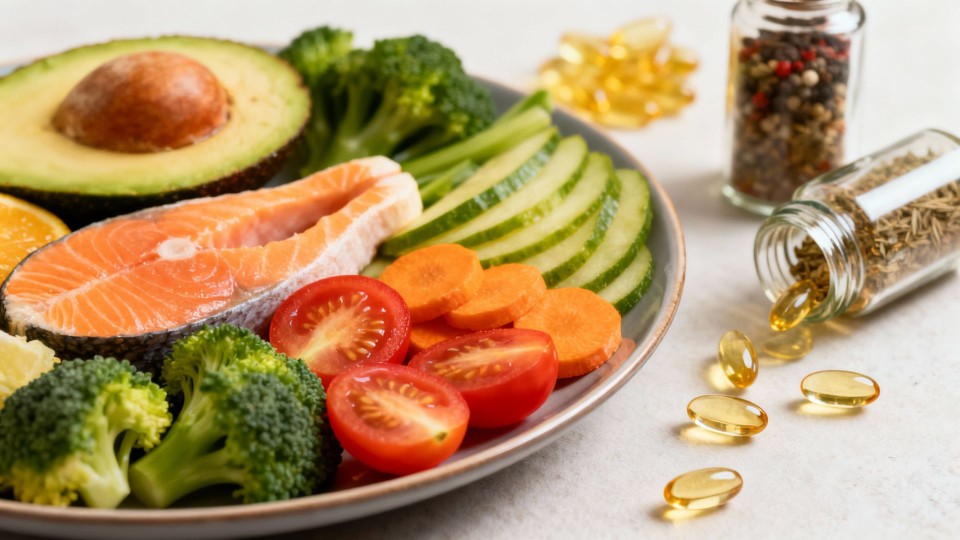
Bringing this to your kitchen is simpler than you think. Start by swapping processed snacks for whole foods: aim for at least three servings of fatty fish weekly, like salmon or mackerel, and fill half your plate with vibrantly colored produce—berries, leafy greens, and beets are packed with anti-inflammatory compounds. Cook with olive oil instead of butter, and add turmeric for its curcumin kick. Try incorporating a 'rainbow approach': each meal should include a variety of hues to maximize antioxidant diversity. For example, pair walnuts (rich in omega-3s) with spinach in a salad, and spice it up with ginger. These small, sustainable shifts add up over time.
Amid the buzz, myths abound, so let's clarify. Not all inflammation is bad—it's essential for healing—and no single 'superfood' magically cures it. Beware of exaggerated claims: eating pineapple won't instantly reduce pain, but a balanced diet can lower long-term risks. Also, not all fats are villains; trans fats worsen inflammation, while the unsaturated fats in avocados combat it. Remember, an anti-inflammatory diet isn't about deprivation but abundance—focusing on whole, unprocessed foods you enjoy. Stay skeptical of trends: science debunks fads like extreme detoxes, emphasizing instead consistency and pleasure in eating.
For true health, integrate anti-inflammatory eating into a broader lifestyle framework. It's one pillar among many: combine it with regular movement, as exercise naturally lowers inflammation, and prioritize restful sleep to regulate stress hormones. Think holistically—anti-inflammatory foods enhance your body's resilience but aren't standalone solutions. If you have existing conditions like autoimmune disorders, work with a registered dietitian to tailor your approach. This synergy creates a sustainable health journey, where small changes build lasting wellness.
In the end, embracing an anti-inflammatory diet is about fostering a kinder relationship with your body. Start modestly: replace one processed item daily with whole foods and track how you feel. It's a marathon, not a sprint—aim for progress, not perfection. Consult professionals for personalized advice, and remember, food is your ally in crafting a vibrant, flame-free life.