
Taming Your Inner Fire: How Everyday Meals Can Quiet Chronic Inflammation and Rewire Health
Discover the science-backed power of anti-inflammatory eating to reduce disease risks, enhance vitality, and transform your plate into a daily health ally—rooted in evidence, not hype.
Have you ever felt that nagging fatigue or joint stiffness that just won't quit? It might be your body's silent alarm system—chronic inflammation—working overtime. Unlike the acute inflammation that heals a cut, this low-grade fire can smolder for years, linked to everything from heart disease to arthritis. Enter the anti-inflammatory diet: not a quick fix, but a sustainable way to douse those internal flames. By focusing on whole, unprocessed foods, we can shift our body's response from constant alert to calm resilience. This approach draws from decades of research, showing how what we eat directly influences inflammation markers in our blood. It's about turning your kitchen into a frontline defense against modern health woes.
So, what exactly is inflammation at the cellular level? Think of it as your body's emergency response team. When triggered by stress, poor diet, or toxins, immune cells release proteins called cytokines that signal 'danger.' But in chronic cases, this system gets stuck on high alert, damaging tissues over time. Anti-inflammatory foods work by providing antioxidants and compounds that neutralize these signals. For instance, omega-3 fatty acids in fish act like natural fire extinguishers, reducing cytokine production. Polyphenols in berries and greens help repair cellular damage, much like a skilled mechanic fine-tuning an engine. This isn't magic; it's biochemistry in action, where nutrients interact with genes to dial down inflammation pathways.
What does the science say? Robust evidence, including large cohort studies like the Nurses' Health Study and randomized controlled trials published in journals such as The Lancet, consistently shows that anti-inflammatory diets lower risks of chronic diseases. For example, a meta-analysis of RCTs found that high intake of fruits, vegetables, and whole grains reduces C-reactive protein (a key inflammation marker) by up to 30%. Another study linked Mediterranean-style eating—rich in olive oil and nuts—to a 25% drop in heart attack rates. However, it's crucial to note correlation doesn't equal causation: while diets high in processed sugars and trans fats spike inflammation, genetics and lifestyle factors also play roles. Ongoing research explores nuances, like how gut bacteria influence this process, but current data supports anti-inflammatory eating as a proven strategy for long-term wellness.
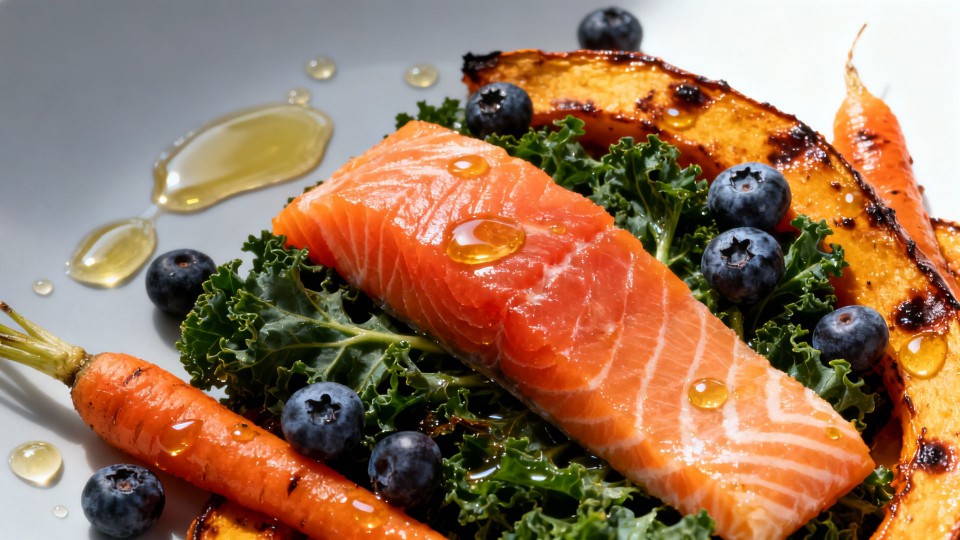
Now, let's bring this to your kitchen. Start by loading your plate with colorful, whole foods: aim for three servings of fatty fish like salmon weekly, pile on leafy greens and berries daily, and swap refined grains for quinoa or oats. Specific tips: 'Add a handful of walnuts to your morning oatmeal for an omega-3 boost' or 'Roast a mix of turmeric-spiced vegetables as a simple dinner side.' Avoid inflammatory triggers such as sugary drinks and fried foods. Focus on variety—different colored produce offers unique anti-inflammatory compounds. For instance, deep purple beets contain betalains that combat oxidative stress. This isn't about deprivation; it's about abundance and flavor, making each meal a step toward calmer insides.
Amid the buzz, let's clear up common myths. One misconception is that all inflammation is bad—it's not; acute inflammation is vital for healing. Another is that a single 'superfood' can cure all; truth is, no food works alone. Be wary of claims that anti-inflammatory diets eliminate diseases overnight; they reduce risks, not guarantee cures. Also, some people, like those on blood thinners, should consult doctors before major dietary shifts. Remember, this isn't a fad but a lifestyle shift grounded in balance. By debunking hype, we empower ourselves with realistic, evidence-based choices.
Ultimately, anti-inflammatory eating shines brightest when woven into a holistic health tapestry. Pair it with regular movement—even a daily 30-minute walk—as exercise reduces inflammation independently. Prioritize sleep, since poor rest ramps up inflammatory responses. And manage stress through mindfulness; chronic worry fuels the fire. This synergy creates a resilient foundation, proving that health isn't about isolated fixes but interconnected habits. Start small: swap one processed snack for fresh fruit today, and build from there. For personalized guidance, seek a registered dietitian. Your journey to vibrant health begins not with grand gestures, but with the quiet power of your next meal.