
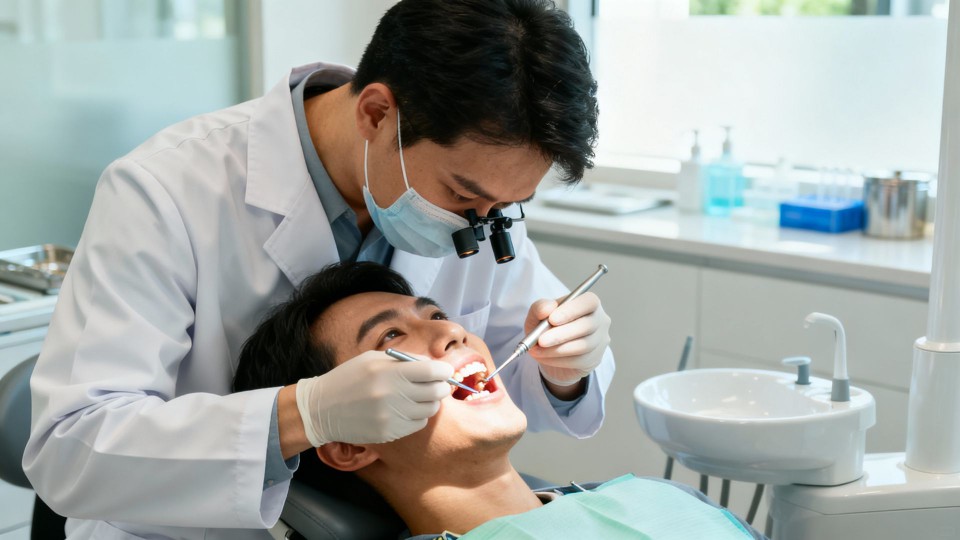
Unlocking Health: The Hidden Power of Daily Dental Care in Preventing Chronic Diseases
Discover how consistent oral hygiene reduces systemic inflammation, lowers heart disease risk, and serves as a simple yet powerful first line of defense against long-term health issues.
Ever wake up with a fuzzy feeling in your mouth? That common morning breath isn't just a minor nuisance—it's a sign of bacteria working overnight. Scientific research now links poor oral hygiene to systemic health problems, turning our daily brushing routine into a critical shield against chronic diseases. This revelation stems from decades of epidemiological studies, showing that what happens in your mouth doesn't stay there. Instead, it can cascade into inflammation affecting your entire body, making dental care an essential part of a preventive health strategy. By understanding this connection, we can transform a simple act into a life-saving habit.
To truly grasp the power of dental hygiene, we must dive into the microscopic world. Plaque—a sticky film of bacteria—forms on teeth from sugars in our diet. When not removed, it produces acids that erode enamel, leading to cavities and gum inflammation. This initial response, gingivitis, can escalate to periodontitis, where bacteria enter the bloodstream. The inflammation triggered isn't confined to your gums; it releases inflammatory markers that travel throughout the body, potentially damaging blood vessels and organs. Think of it as a small spark that, unchecked, can ignite a larger fire of systemic issues, underscoring why consistent cleaning is foundational.
Robust scientific evidence supports these claims. Large cohort studies, such as those from the American Heart Association, reveal that individuals with periodontitis face a 20-35% higher risk of cardiovascular events. Randomized controlled trials, like one published in the Journal of Clinical Periodontology, demonstrate that improving oral care reduces inflammatory markers such as C-reactive protein. While these associations don't prove causation, the evidence is compelling—inflammation is a common pathway. It's crucial to note that most findings are observational, with ongoing research exploring direct causal links. But for now, the data consistently shows that good dental hygiene correlates with lower risks of diabetes and respiratory issues, backed by high-quality evidence.
Applying this knowledge doesn't require complex tools. Start with basics: Brush twice daily for two minutes with a soft-bristled toothbrush and fluoride toothpaste, angling it at 45 degrees to gums to effectively remove plaque. Floss once a day to clean between teeth where brushes can't reach. Complement this with daily mouthwash to reduce bacteria. Practical steps include timing your brushing with a song or app to ensure thoroughness, and choosing toothbrushes with ergonomic handles for comfort. These routines, though simple, create a ripple effect—by reducing bacterial load, you actively lower systemic inflammation and support overall health without any need for expensive products.
Common myths about dental care persist. One is that vigorous brushing equals better cleaning—in reality, it can harm gums and enamel. Instead, focus on gentle, circular motions. Another misconception is sugar alone causes decay; frequency of sugary snacks matters more, as it continuously fuels bacteria. To combat this, limit snacking to main meals and rinse after eating. Also, some believe dental issues are unavoidable with age, but data shows prevention works at any stage. By debunking these, we empower ourselves to adopt evidence-based habits that are safe and effective for all ages.
Integrating oral hygiene into a broader health framework magnifies benefits. It pairs perfectly with a balanced diet rich in crunchy vegetables like carrots that naturally clean teeth, low in sugary foods to starve bacteria. Regular physical activity and adequate sleep further reduce inflammation, creating a synergistic defense. Remember, dental care isn't a magic cure but a pillar in a resilient lifestyle. If you have conditions like diabetes, consult a dentist for tailored advice, as oral health impacts management. This holistic view ensures your efforts are sustainable and aligned with long-term wellness.
Ultimately, your dental routine is a small investment with outsized returns. Begin with one sustainable change, like daily flossing, to build momentum. Seek annual check-ups with dental professionals who can spot early issues. Health isn't about perfection but progress—each brush stroke contributes to a healthier future. Embrace this journey with patience, and let science guide your smile toward a vibrant, disease-free life.