
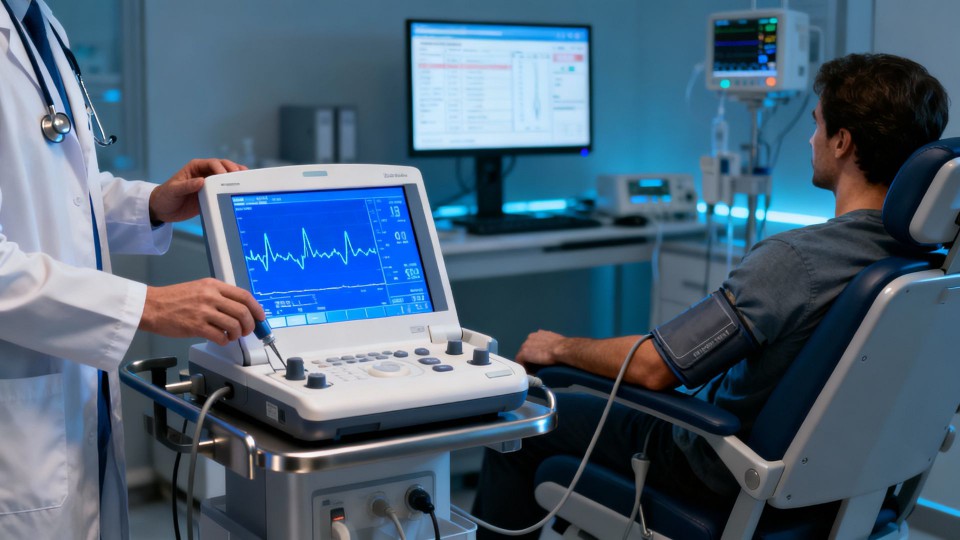
Dynamic Blood Pressure: The Hidden Rhythm Guarding Your Heart from Silent Threats
Discover how continuous monitoring unveils life-saving patterns, empowering daily choices to slash cardiovascular risks with evidence-based precision.
Imagine waking up feeling fine, only to learn at a routine check-up that your blood pressure is dangerously high—a silent threat lurking beneath the surface. This scenario is all too common, as traditional clinic readings often miss the fluctuations that define true cardiovascular health. Dynamic blood pressure management, through 24-hour ambulatory monitoring, captures these hidden rhythms, offering a clearer window into your heart's well-being. It transforms sporadic snapshots into a continuous story, revealing patterns like nocturnal dips or stress-induced spikes that single measurements ignore. By embracing this approach, we move beyond reactive fixes to proactive prevention, addressing a core challenge in modern health: the gap between perceived wellness and actual risk. This article explores how this method empowers you to take control, starting with understanding its science-backed foundation.
So, what exactly is dynamic blood pressure management? At its essence, it involves wearing a portable device that records your blood pressure at regular intervals over 24 hours, even while you sleep. Unlike a single clinic reading, this captures the natural ebb and flow influenced by daily activities, stress, and circadian rhythms. Biologically, blood pressure isn't static; it's a dynamic dance regulated by the autonomic nervous system, hormones like adrenaline, and vascular health. When this rhythm falters—say, from persistent high readings at night—it signals underlying issues such as arterial stiffness or kidney strain. Think of it as a symphony conductor: if one section (like your blood vessels) is out of tune, the whole performance (your cardiovascular health) suffers. This continuous monitoring provides a holistic view, helping identify 'masked hypertension' where normal clinic readings hide real dangers, or 'white-coat hypertension' where anxiety inflates numbers falsely. By decoding these patterns, we gain insights into how lifestyle factors subtly shape your heart's resilience.
The evidence supporting dynamic blood pressure management is robust, drawn from decades of rigorous research. Large cohort studies, such as the Framingham Heart Study, have consistently shown that 24-hour readings are stronger predictors of heart attacks, strokes, and kidney disease than clinic measurements. For instance, a meta-analysis in the Journal of the American College of Cardiology confirmed that elevated nighttime blood pressure—detected only through dynamic monitoring—carries a 20-30% higher risk of cardiovascular events. Randomized controlled trials (RCTs), like those published in The Lancet, demonstrate that tailoring treatments based on these patterns reduces complications by up to 25% compared to standard care. However, it's crucial to note that correlation doesn't imply causation; while dynamic monitoring correlates strongly with outcomes, factors like genetics and overall health play roles. Current research is exploring nuances, such as how age and comorbidities affect readings, with ongoing debates on optimal thresholds. Yet, the consensus is clear: this method offers a gold standard for risk assessment, backed by high-level evidence that empowers personalized interventions.
Translating this science to your kitchen and daily routine is surprisingly straightforward. Start with diet: focus on potassium-rich foods like bananas and spinach to counter sodium's effects, and aim for three servings of colorful fruits and vegetables daily to boost nitric oxide for vessel relaxation. Incorporate omega-3 sources such as flaxseeds or walnuts into meals, proven in studies to lower pressure variability. Cooking tips matter too—steam or bake instead of frying to preserve nutrients, and season with herbs like garlic instead of salt. For movement, commit to 30 minutes of moderate exercise, like brisk walking, five days a week; consistency trumps intensity here. Stress management is key: try daily mindfulness for five minutes, as chronic stress disrupts blood pressure rhythms. Track your progress with simple tools like home monitors, but remember, dynamic monitoring is best guided by healthcare providers. These actionable steps, woven into your routine, turn abstract science into tangible heart protection.
Amid the buzz, it's vital to dispel common myths. First, dynamic monitoring isn't a cure-all; it's a diagnostic aid, not a replacement for overall health habits. Second, while some claim it can 'prevent all heart issues,' evidence shows it works best alongside lifestyle changes—not in isolation. Beware of exaggerated claims online; for example, no single food magically normalizes pressure, and trends like 'detox teas' lack scientific backing. Also, this method isn't for everyone; those with arrhythmias or severe anxiety may find the device uncomfortable, and costs can be a barrier. Always consult a professional before starting, as self-diagnosis risks overlooking root causes. By staying grounded in facts, we avoid the hype and focus on what truly matters: evidence, not anecdotes.
Ultimately, dynamic blood pressure management shines when integrated into a holistic health framework. It's not a standalone solution but a piece of a larger puzzle that includes balanced nutrition, regular physical activity, adequate sleep, and stress reduction. For instance, pairing monitoring with a Mediterranean-style diet amplifies benefits, as shown in trials. Remember, health is a marathon, not a sprint; start small, like adding one vegetable-rich meal weekly, and build from there. Individual differences matter—genetics and age influence responses, so work with a registered dietitian or doctor for tailored advice. By embracing this rational path, you cultivate resilience, turning daily choices into lifelong vitality. Your journey to heart health begins with awareness and ends with sustainable, empowered living.