
The Silent Fire Within: How Your Fork Can Quench Chronic Inflammation
Discover the science-backed foods that cool internal fires, reduce disease risk, and transform your plate into a healing toolkit.
Imagine waking up with persistent fatigue or aching joints—common signs that your body might be battling silent, chronic inflammation. This low-grade fire, often unnoticed, is linked to conditions like heart disease and diabetes. The good news? Your daily meals hold the key to calming this internal storm through an anti-inflammatory diet, a science-supported approach that shifts focus from quick fixes to sustainable nourishment.
At its core, inflammation is your body's natural defense, but when it becomes chronic, it fuels disease. Anti-inflammatory foods work by modulating pathways like NF-kB signaling. Omega-3 fatty acids, abundant in fatty fish, reduce pro-inflammatory cytokines, while antioxidants in berries neutralize free radicals. Think of it as your body's internal cooling system, where each bite either fans or douses the flames.
Scientific evidence, such as large cohort studies from the Nurses' Health Study, shows that high adherence to anti-inflammatory diets correlates with a 20-30% lower risk of cardiovascular events. Randomized controlled trials, like those published in The Lancet, confirm improvements in biomarkers like C-reactive protein. However, remember correlation isn't causation—individual responses vary, and more research is needed on long-term effects.
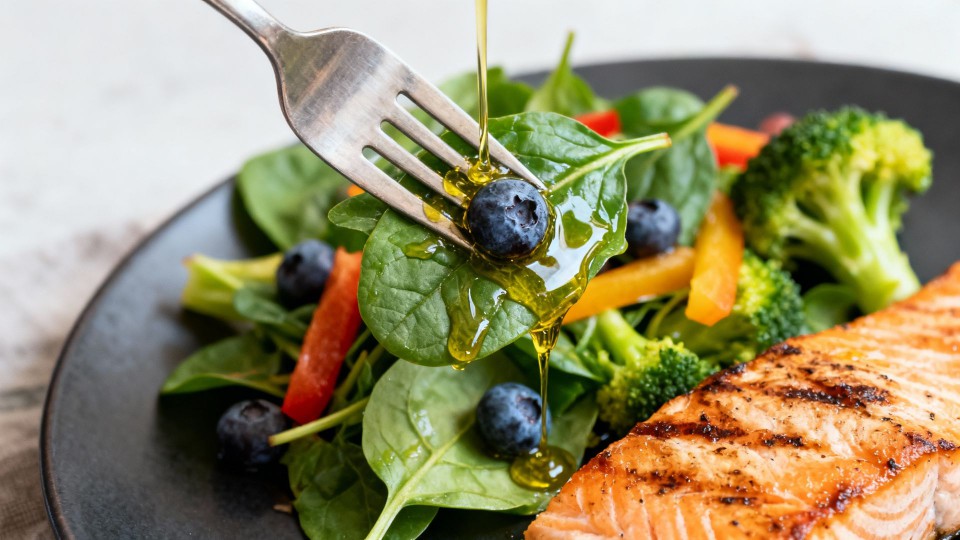
To put this into practice, start simple: fill half your plate with colorful fruits and vegetables, such as berries, spinach, and broccoli. Add omega-3 sources like salmon or flaxseeds twice a week, and swap refined grains for whole oats or quinoa. Avoid processed foods high in sugar and trans fats. Aim for three different plant-based meals daily to diversify your nutrient intake.
Common myths abound, like believing all fats are harmful. In reality, unsaturated fats from olive oil or nuts are anti-inflammatory heroes. Another misconception is that this diet requires exotic superfoods—focus instead on accessible staples like beans and greens. Be wary of claims promising instant cures; science supports gradual, evidence-based changes.
An anti-inflammatory diet isn't a standalone solution. Integrate it with other pillars of health: regular physical activity, like brisk walking, enhances its benefits, while adequate sleep regulates inflammation hormones. This holistic approach ensures that your dietary efforts amplify overall well-being without overpromising.
Embrace this as a journey of small, sustainable steps—perhaps begin by adding one anti-inflammatory food to each meal. Consult a registered dietitian for personalized advice, and remember, true health blossoms from consistent, mindful choices, not fleeting trends.