
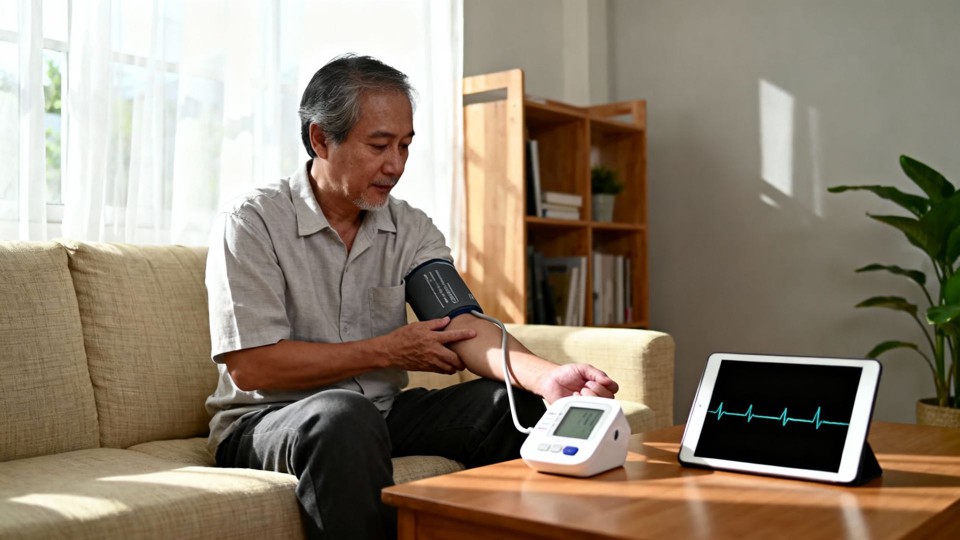
The Silent Rhythm: How Your Daily Blood Pressure Dance Predicts Heart Health Better Than Clinic Snapshots
Unmasking hidden cardiovascular risks through 24-hour ambulatory monitoring and actionable lifestyle tweaks for lasting control beyond the doctor's office
Picture this: You sit nervously in a sterile clinic, the cuff tightening around your arm as your blood pressure spikes – a phenomenon so common it's dubbed 'white coat hypertension.' Meanwhile, your true daily pressure patterns remain invisible, like a submarine navigating deep waters unseen. Dynamic blood pressure monitoring (ABPM) changes this narrative entirely. Unlike single clinic readings, this 24-hour tracker captures your body's natural ebb and flow during sleep, work, and meals. Large cohort studies like the IDACO project reveal nearly 30% of hypertension diagnoses are inaccurate without ABPM data. It's not just a number; it's the story of how your heart weathers daily storms.
At its core, ABPM works like a cardiac biographer. A portable device takes readings every 20-30 minutes using oscillometric technology, measuring arterial vibrations as blood pulses through your brachial artery. The magic lies in capturing nocturnal dips – when pressure should drop 10-20%. Research in Hypertension Journal shows disrupted 'dipping' patterns predict stroke risk better than daytime readings. Think of it as your vascular system's circadian rhythm: When night falls, your arteries should sigh with relief, not maintain battlefield tension.
Evidence mounts from landmark trials. The SPRINT study demonstrated ABPM's superiority in predicting cardiovascular events, with night-time systolic pressure emerging as the most potent indicator. Meanwhile, a Lancet meta-analysis of 11,000 participants proved masked hypertension (normal clinic but high daily readings) carries equal risk to sustained hypertension. Yet limitations exist: Current guidelines primarily recommend ABPM for confirming diagnoses, not routine screening. The ESH-ESC 2023 update emphasizes its role in detecting pressure variability – a silent killer linked to arterial stiffness.
Transforming data into action starts at your dinner plate. Embrace the DASH diet's potassium-rich arsenal: roast sweet potatoes instead of fries, swap deli meats for baked salmon, and snack on bananas and sunflower seeds. Sodium reduction isn't about deprivation; try citrus zest and rosemary to awaken flavor without salt. For movement, prioritize consistency over intensity: A brisk 20-minute afternoon walk lowers systolic pressure by 4-9 mmHg according to Journal of Human Hypertension. Even simple isometric handgrip exercises show promise in randomized trials.
Let's dispel myths: First, 'normal' clinic readings don't guarantee safety – masked hypertension affects 1 in 8 adults. Second, ABPM isn't uncomfortable; modern devices weigh less than a smartphone. Third, caffeine's impact varies: While it may spike pressure temporarily, habitual drinkers develop tolerance. The real danger? Chronic stress that keeps cortisol flooding your system. Recognize triggers like work emails after hours and create digital sunset rituals.
ABPM isn't a standalone solution but a compass in your health ecosystem. Pair readings with sleep hygiene – dim lights 90 minutes before bed to protect nocturnal dipping. Combine with mindfulness; just 10 minutes of diaphragmatic breathing daily can lower pressure as effectively as some medications. Remember the synergy: Mediterranean-style eating enhances exercise benefits, while poor sleep undermines dietary efforts. Track progress through seasonal ABPM check-ins rather than daily obsessions.
True blood pressure mastery requires patience and partnership. Start with a single change – perhaps a weekly meatless Monday or a standing desk conversion. Then consult your physician about ABPM's role in your personalized map. As the International Society of Hypertension affirms, understanding your unique daily rhythm empowers smarter decisions than any snapshot ever could. Your heart's story deserves to be heard in full chapters, not fragmented sentences.