
Silent Firefighters on Your Plate: Rewiring Health Through Anti-Inflammatory Eating
Harness the science of food to douse chronic inflammation—a hidden culprit behind heart disease and diabetes—with practical, everyday choices that transform well-being.
Imagine waking up with less joint stiffness or feeling more energized after meals—these common woes often trace back to chronic inflammation, a silent fire smoldering within. Unlike acute inflammation that heals injuries, this low-grade version can persist undetected for years, fueled by poor diet and lifestyle. Enter anti-inflammatory eating: a science-backed approach that doesn't promise quick fixes but offers a sustainable path to reduce this internal turmoil. By focusing on whole, nutrient-dense foods, we can address the root cause of many modern ailments, turning everyday meals into powerful health allies.
At its core, anti-inflammatory eating targets the body's inflammatory response. Chronic inflammation arises when immune cells release molecules like cytokines in response to stressors such as processed foods or environmental toxins. This diet emphasizes foods rich in antioxidants and omega-3 fatty acids, which act like natural firefighters, dampening these signals. For instance, omega-3s in fatty fish inhibit the production of pro-inflammatory compounds, while polyphenols in berries neutralize free radicals. It's not about eliminating inflammation entirely—it's essential for healing—but restoring balance so your body doesn't wage war on itself.
Robust evidence supports this approach. Large cohort studies, such as those from Harvard's ongoing research, show that high adherence to anti-inflammatory diets correlates with a 20-30% lower risk of cardiovascular diseases and type 2 diabetes. Randomized controlled trials reinforce this: participants consuming diets rich in fruits, vegetables, and whole grains saw significant drops in inflammatory markers like C-reactive protein (CRP). However, science cautions that correlation doesn't equal causation—genetics and lifestyle factors play roles, and not all studies agree on the magnitude of benefits. Still, the consensus is clear: consistent dietary patterns matter more than any single "superfood."
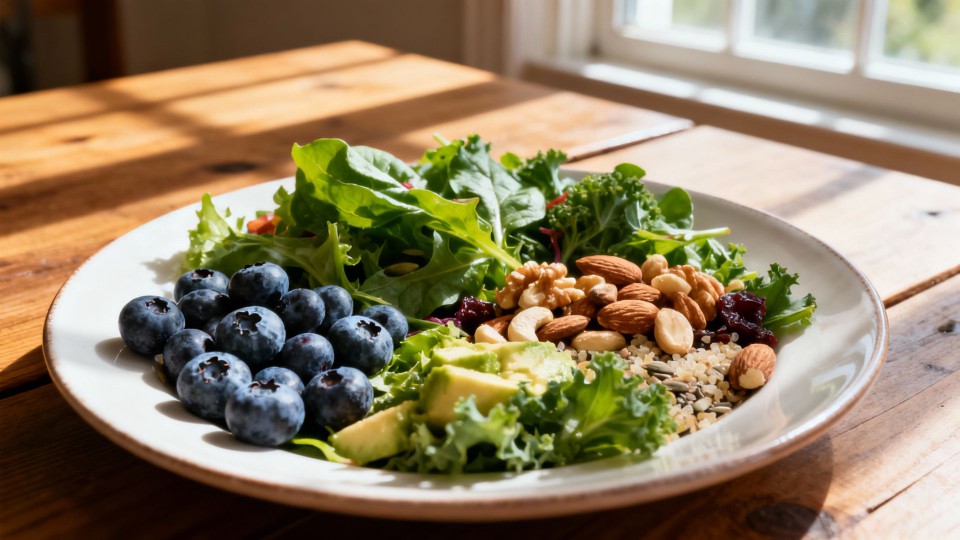
Putting this into practice is simpler than you think. Start by filling half your plate with colorful produce—berries, leafy greens, and cruciferous veggies like broccoli are packed with anti-inflammatory compounds. Add omega-3 sources such as salmon, flaxseeds, or walnuts twice a week. Swap refined grains for whole ones like quinoa or oats, and use herbs like turmeric and ginger liberally in cooking. For a tangible step, try incorporating three different colored beans weekly—they're fiber-rich and help stabilize blood sugar. Avoid processed sugars and trans fats, which fan the flames of inflammation, turning your kitchen into a lab for vitality.
Amid the hype, myths abound. One common misconception is that all fats are inflammatory—truth is, healthy fats from avocados or olive oil are anti-inflammatory heroes. Another is the idea of "magic bullets" like exotic supplements; research shows whole foods work synergistically, and isolated nutrients may lack the same effect. Be wary of claims that anti-inflammatory diets cure diseases overnight—they're preventive, not curative. By debunking these, we empower ourselves with realistic expectations, focusing on gradual, evidence-based changes rather than fleeting trends.
Anti-inflammatory eating shines brightest when integrated with other health pillars. Pair it with regular physical activity—even a daily 30-minute walk amplifies benefits by reducing inflammation markers. Prioritize sleep, as poor rest heightens inflammatory responses, and manage stress through mindfulness. Remember, this isn't a standalone solution but a key player in a holistic orchestra of wellness. Individual needs vary; consult a registered dietitian to tailor the approach, ensuring it complements your unique health journey without unintended gaps.
In the end, health is a marathon, not a sprint. Embrace small, sustainable shifts—like adding an extra serving of veggies to dinner—that accumulate into lasting change. Anti-inflammatory eating isn't about deprivation but abundance, celebrating food as medicine. Start today with curiosity, not pressure, and let each meal be a step toward a calmer, healthier you.