
Silent Firefighters on Your Plate: Unlocking the Anti-Inflammatory Power of Everyday Foods
Discover how evidence-based dietary choices can douse chronic inflammation, reducing risks of heart disease and diabetes, with practical steps for your kitchen.
Have you ever felt persistent fatigue or joint stiffness that just won't quit? These common woes often trace back to chronic inflammation—a silent fire smoldering within, linked to everything from arthritis to heart issues. But here's the hopeful twist: your next meal could be the extinguisher. Anti-inflammatory diets aren't a fleeting trend; they're grounded in science, offering a shield against modern ailments by harnessing the natural compounds in whole foods. This article cuts through the noise, guiding you from confusion to clarity with research-backed insights and kitchen-ready strategies.
At its core, an anti-inflammatory diet works like a molecular peacekeeper. Chronic inflammation arises when the body's defense system misfires, flooding tissues with inflammatory cytokines. Foods rich in omega-3 fatty acids, such as those in fatty fish, act as dampeners by reducing pro-inflammatory signals. Polyphenols in berries and greens, meanwhile, serve as antioxidants, neutralizing free radicals that fuel cellular damage. Think of it as your internal fire brigade: these nutrients don't just suppress flames; they promote healing at a cellular level, restoring balance without the side effects of medications.
Science solidly backs this approach. Large cohort studies, like the Nurses' Health Study, show that diets high in fruits, vegetables, and whole grains correlate with lower levels of C-reactive protein (CRP), a key inflammation marker. Randomized controlled trials (RCTs), such as the PREDIMED trial, demonstrate that Mediterranean-style eating—rich in olive oil and nuts—can slash heart disease risk by up to 30% through reduced inflammation. However, evidence isn't absolute; while these links are strong (often from meta-analyses), they don't prove causation, and individual responses vary. Ongoing research explores nuances, like how gut microbes interact with diet, but the consensus is clear: food is a powerful tool, not a magic bullet.
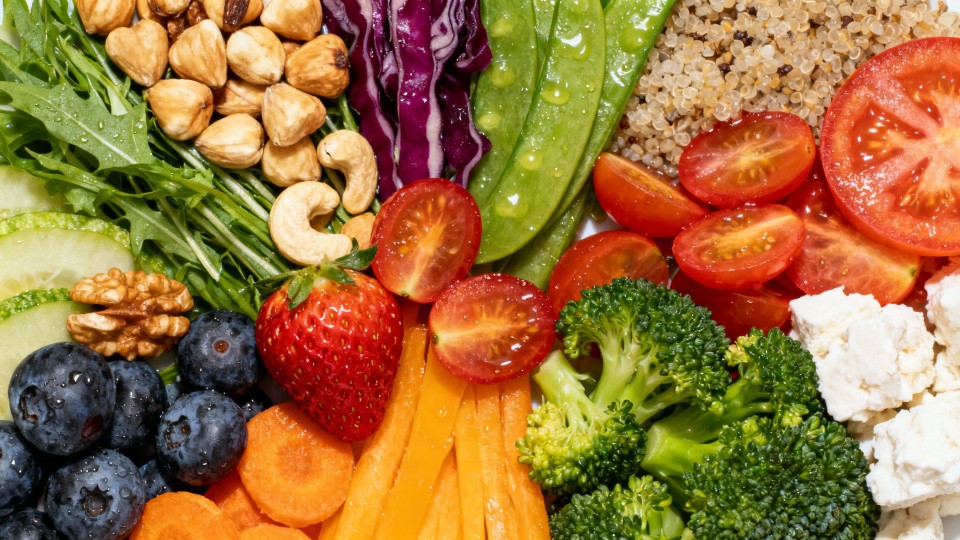
Putting this into practice is delightfully simple. Start by loading your plate with colorful, unprocessed foods: aim for three servings of leafy greens daily, two of fatty fish like salmon per week, and a rainbow of berries for snacks. Swap refined grains for whole oats or quinoa, and use herbs like turmeric—its curcumin compound is a proven anti-inflammatory agent. Avoid inflammatory triggers such as sugary drinks and processed meats; instead, build meals around beans, nuts, and olive oil. For a tangible step, try this: each week, introduce one new anti-inflammatory food, like adding walnuts to your morning yogurt or blending spinach into smoothies. Small, consistent changes yield big rewards.
Amid the buzz, myths abound. One common fallacy is that all fats are bad—truth is, omega-3s from sources like flaxseeds are heroes, while trans fats are villains. Another overhype claims anti-inflammatory diets cure all diseases; in reality, they reduce risks but don't replace medical treatments. Be wary of 'superfood' marketing; no single item is a panacea. Instead, focus on dietary patterns, and remember: if a promise sounds too good, it probably is. Science urges moderation, not extremes, to avoid nutrient gaps or unsustainable habits.
This diet shines brightest when paired with other health pillars. It's no solo act; combine it with regular exercise, which amplifies anti-inflammatory effects by boosting circulation, and prioritize sleep to regulate stress hormones. Think of it as a symphony: each element—nutrition, movement, rest—harmonizes for optimal well-being. For those with conditions like autoimmune disorders, consult a healthcare provider first; personalized tweaks ensure safety and efficacy, making the journey inclusive and adaptable.
In the end, embracing an anti-inflammatory lifestyle is about sustainable wisdom, not perfection. Start small—perhaps with a single meal swap—and build gradually. Remember, health is a marathon, not a sprint; celebrate progress, not perfection. For tailored advice, seek a registered dietitian. Together, let's turn your plate into a fortress against inflammation, one nourishing bite at a time.