
Beyond Creams and Serums: How Your Plate Crafts the Canvas of Lasting Skin Vitality
Decoding the science of nutrition-based skin nourishment, with evidence-backed strategies to transform your complexion from within for everyday resilience.
Ever notice how some days your skin feels like a parched desert, while others it glows with a natural radiance? This common experience isn't just about the latest skincare trend—it's deeply rooted in what's on your plate. Research shows that up to 80% of skin aging is influenced by lifestyle factors, including diet. As a health scientist, I've seen how focusing on nutrition can unravel the mystery behind skin woes, offering a path to long-term vibrancy without relying solely on topical solutions. This article dives into the evidence, helping you decode the link between everyday foods and that elusive healthy glow.
At its core, skin health hinges on a delicate interplay of hydration, collagen production, and antioxidant defense—all fueled by nutrients from within. Think of your skin as a living barrier: layers of cells rely on vitamins like A, C, and E to repair damage and fend off free radicals. Omega-3 fatty acids, found abundantly in foods like fish and flaxseeds, strengthen the lipid layer to lock in moisture. This isn't magic; it's biochemistry in action. For instance, vitamin C activates enzymes that build collagen, the protein keeping skin firm and youthful. Ignoring this internal nourishment is like painting over cracks without fixing the foundation.
Scientific evidence firmly supports this connection, with studies revealing clear benefits from dietary interventions. Large cohort studies, such as those published in the American Journal of Clinical Nutrition, show that high intakes of fruits and vegetables correlate with reduced skin aging and better hydration. Randomized controlled trials (RCTs) have demonstrated that omega-3 supplements can decrease inflammation linked to conditions like eczema. A landmark RCT in Dermatology Practical & Conceptual found daily vitamin E intake improved skin elasticity in middle-aged adults. However, it's crucial to note correlation doesn't equal causation—individual genetics play a role, and while antioxidants help, they can't reverse all damage alone. Always consult a professional before starting supplements.
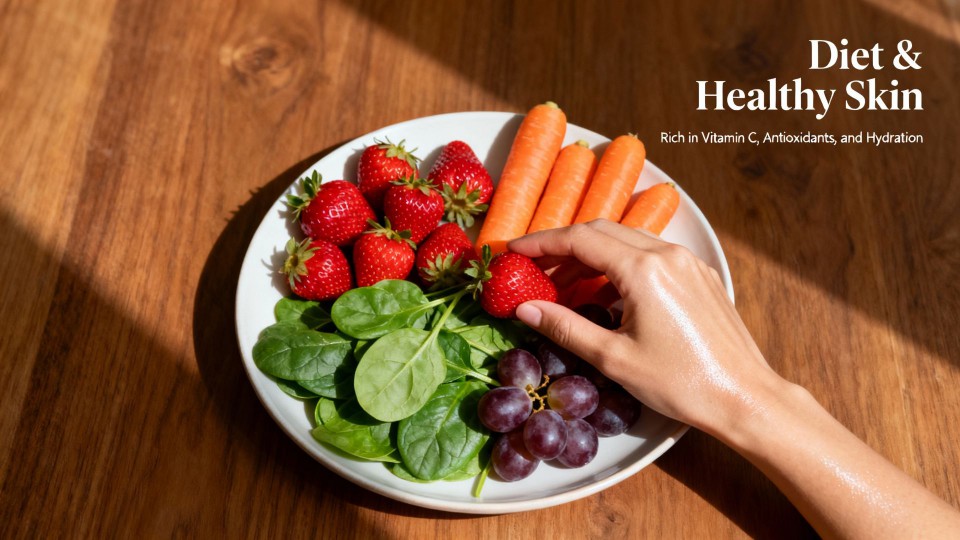
To translate this science into daily life, start with simple, actionable tweaks that build on whole foods. Aim to include three antioxidant-rich foods per meal: berries for vitamin C, spinach for vitamin A, and walnuts for omega-3s. Instead of relying on vague advice like 'eat healthier,' try swapping processed snacks for a handful of almonds or adding a side of roasted sweet potatoes to dinners. For hydration, incorporate water-rich veggies like cucumbers and tomatoes. These small changes accumulate, promoting skin resilience without overwhelming your routine. Remember, it's about consistency—a week of greens won't undo years of neglect, but steady habits foster lasting change.
Despite the science, myths abound that can derail your efforts. One common misconception is that drinking water alone hydrates skin enough; while essential, hydration requires nutrients like hyaluronic acid from foods like root vegetables. Another is the belief that sugar causes acne for everyone—research in the Journal of the Academy of Nutrition and Dietetics shows individual responses vary, with factors like overall diet quality mattering more. Also, beware of claims that certain 'superfoods' offer miracle cures; no single food can compensate for an unbalanced lifestyle. Always approach nutrition advice with skepticism, seeking peer-reviewed sources over viral trends.
Ultimately, nurturing your skin is part of a broader health symphony, not a solo act. Pair your dietary shifts with habits like regular sleep, sun protection, and stress management to amplify benefits. For example, adequate rest helps repair skin cells overnight, while avoiding excessive UV exposure preserves collagen. Registered dietitians can offer personalized guidance tailored to your needs. Embrace this as a journey of small, sustainable steps. By viewing skin health through a holistic lens, you empower yourself to age gracefully—one mindful bite at a time.