
The Gentle Revolution: How Small Daily Movements Rewire Your Body for Lifelong Vitality and Wellness
Unlocking the science of light exercise: its role in boosting cellular health, reducing chronic disease risks, and practical strategies to seamlessly integrate it into everyday routines for sustainable well-being.
In our fast-paced world, many of us grapple with the hidden toll of sedentary lifestyles—aching backs, sluggish energy, and creeping weight gain. But what if a simple antidote lay not in grueling gym sessions, but in the gentle, everyday movements we often overlook? Emerging research reveals that light exercise, like walking or stretching, isn't just a quick fix; it's a foundational pillar for long-term health. This article explores how incorporating modest physical activity into your daily rhythm can transform your well-being, starting with the science behind why it works so effectively.
At its core, daily light exercise—activities such as brisk walking, yoga, or gardening—operates through physiological mechanisms that enhance cellular function. For instance, it stimulates mitochondrial activity, the powerhouses of our cells, improving energy production and reducing oxidative stress. Light movements also promote better blood flow, lowering inflammation markers linked to chronic diseases. This isn't about intense exertion; it's about consistent, low-impact actions that signal your body to repair and rejuvenate itself, much like oiling a machine to prevent wear and tear.
Scientific evidence strongly supports these benefits. Large cohort studies, such as those published in The Lancet, show that regular light exercise can reduce the risk of cardiovascular disease by up to 30% and lower mortality rates. A meta-analysis of randomized controlled trials confirms that even 150 minutes per week of moderate activity, like walking, significantly improves metabolic health and insulin sensitivity. However, it's crucial to note that while these findings are robust, correlation doesn't imply causation—genetics and other lifestyle factors play roles. Ongoing research explores nuances, such as how individual responses vary, emphasizing that light exercise is one piece of a larger health puzzle.
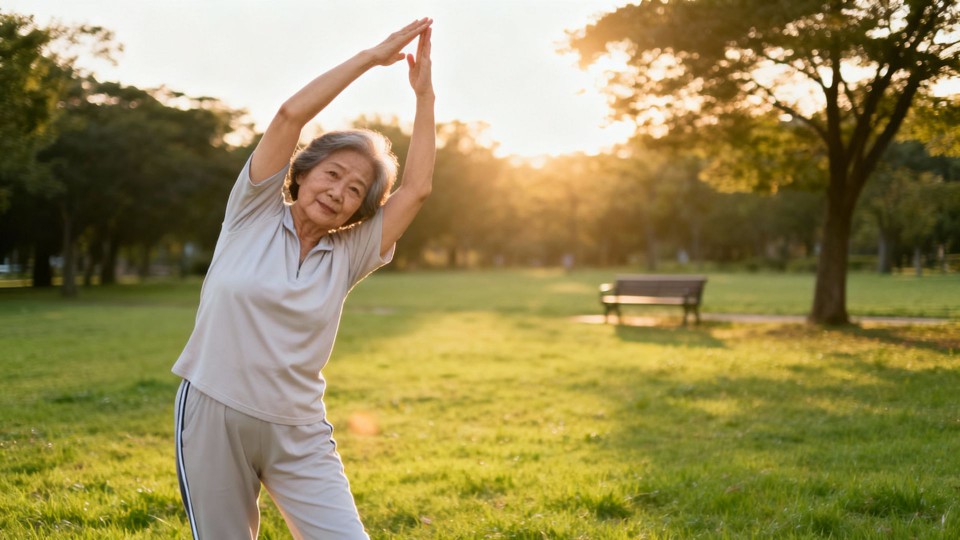
Putting this into practice is refreshingly simple and accessible. Aim for activities that fit naturally into your day: a 30-minute walk during lunch breaks, short stretching sessions every hour if you work at a desk, or incorporating household chores like gardening. Focus on variety—try alternating between walking, gentle yoga, and light resistance exercises to engage different muscle groups. Start small, perhaps with 10-minute increments, and gradually build consistency. Remember, the goal isn't perfection but sustainability, making it a joyful part of your routine rather than a chore.
Integrating light exercise into a holistic health framework amplifies its benefits. It complements balanced nutrition—think whole foods rich in anti-inflammatory compounds—and adequate sleep, creating a synergistic effect for overall vitality. Be mindful of common myths, like the idea that only intense workouts count; light activities are equally valuable, especially for those with mobility issues. Ultimately, health is a marathon, not a sprint. Begin with manageable steps, consult a healthcare provider if needed, and celebrate the small wins on your journey to enduring wellness.