
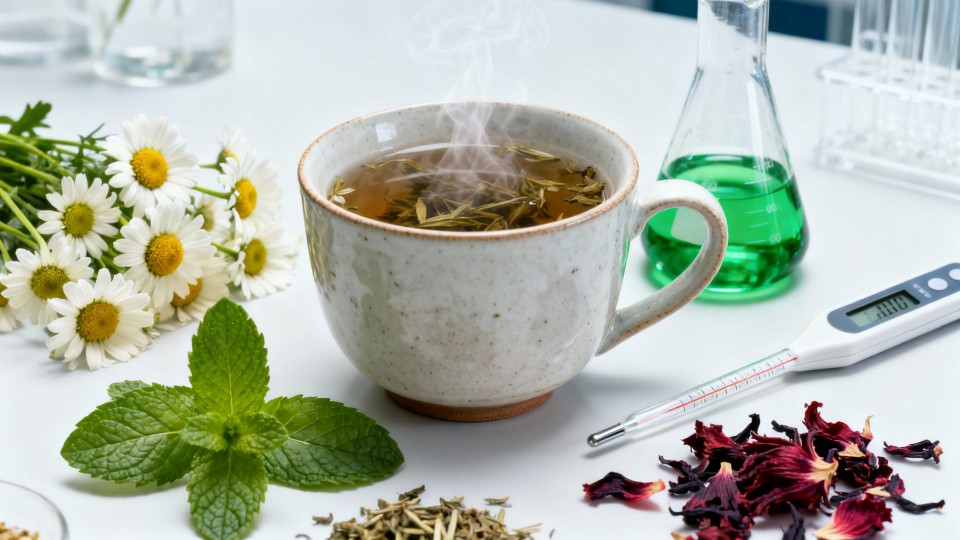
Nature's Elixir in a Cup: Unraveling the Surprising Science Behind Herbal Tea's Wellness Magic
From ancient traditions to modern evidence, discover how polyphenol-rich infusions combat inflammation and boost longevity, with simple, daily rituals to harness their power.
Imagine ending a hectic day not with a pill but a steaming cup of herbal tea—a ritual that soothes the soul while science confirms it shields the body. In our fast-paced lives, where stress and inflammation silently erode health, turning to nature’s brews offers more than comfort; it’s a proven ally. Research shows chronic low-grade inflammation underlies many modern ailments, from heart disease to fatigue. Herbal teas, steeped in centuries of wisdom, emerge as a gentle antidote, backed by rigorous studies that reveal their role in calming the body’s inner storms. But they’re not mere folklore; modern epidemiology highlights how regular sips can reshape our health trajectory. This article demystifies the journey from cup to cell, inviting you to explore how a simple habit can brew profound wellness.
At its core, herbal tea isn’t just flavored water—it’s a potent infusion of bioactive compounds like polyphenols and flavonoids. These molecules act as antioxidants, akin to a microscopic army defending cells from free radicals, the rogue molecules that accelerate aging and disease. When you sip chamomile or peppermint tea, compounds such as apigenin enter your system, binding to receptors that reduce oxidative stress and inflammation at a cellular level. Think of it as rust-proofing your internal machinery; studies using biochemical assays show how these interactions lower markers like C-reactive protein. Yet, it’s not magic: the potency varies with plant origin and brewing time, emphasizing that the key lies in the quality of the infusion itself.
Scientific scrutiny elevates herbal tea from anecdote to evidence. Large cohort studies, like the NIH-funded Nurses’ Health Study, link regular consumption of hibiscus tea to reduced blood pressure, attributing it to anthocyanins that relax blood vessels. Randomized controlled trials, such as one published in the Journal of Nutrition, demonstrate ginger tea’s efficacy in easing digestive discomfort with statistical significance. However, science treads cautiously: while meta-analyses confirm benefits for inflammation reduction, correlation doesn’t prove causation—long-term effects remain under investigation. Evidence levels range from strong (for antioxidants in green tea, based on multiple RCTs) to emerging (for lesser-known herbs), urging a balanced view that acknowledges both promise and limitations, without hype or fear-mongering.
Bringing this science to your kitchen starts with simple swaps. Rotate teas for targeted benefits: try peppermint for post-meal digestion, steeped for 5 minutes; opt for chamomile before bed to aid sleep; and include antioxidant-rich rooibos as a caffeine-free alternative. Make it practical: store dried herbs in airtight jars, and experiment with blends like ginger-lemon for immunity. Aim for 2-3 cups daily, using fresh, boiling water to extract maximum compounds, and avoid added sugars that negate gains. Pair teas with whole foods—think berries for synergy—to create a holistic ritual that fits seamlessly into breakfast or evening wind-downs, transforming your mug into a daily dose of proactive health.
Amid wellness trends, herbal teas face myths that demand debunking. One common fallacy is that “all herbal brews are cure-alls,” but reality is nuanced; while they support health, they don’t replace medical treatments or work miracles. Another misconception claims complete safety, yet potential interactions exist—such as St. John’s wort affecting medications—underscoring the need for consultation with healthcare providers. Avoid fear-based narratives like “tea alone prevents cancer”; instead, embrace evidence that highlights complementary roles. By discerning hype from truth, you empower yourself to enjoy teas wisely, free from the clutter of unverified claims that dominate online spaces.
True wellness transcends any single habit; herbal tea thrives when woven into a broader tapestry. Integrate it with balanced nutrition—prioritize vegetables and lean proteins—plus regular exercise and adequate sleep, creating a synergistic shield against disease. Start small: swap one sugary drink for herbal tea this week, tracking subtle energy boosts. Remember, personalization is key; factors like genetics influence responses, so consult a registered dietitian for tailored advice. Ultimately, health is a marathon, not a sprint; let each cup be a mindful step toward sustained vitality, grounded in science and self-compassion.