
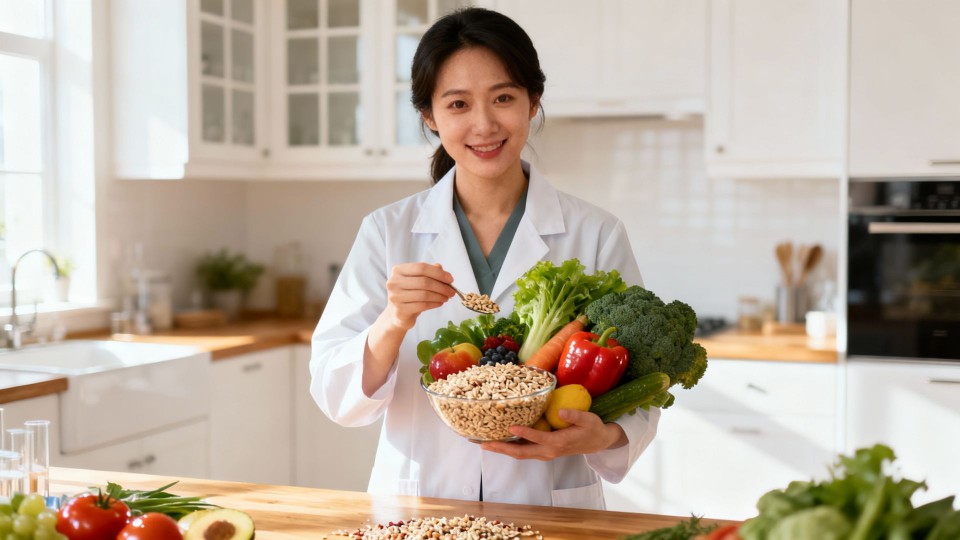
Harnessing Nature's Bounty: Transform Your Daily Meals into a Lifelong Shield Against Chronic Ailments
Exploring the biochemical synergy of medicinal foods, their evidence-backed role in disease prevention, and simple kitchen strategies to unlock vitality and resilience.
Imagine waking up each day with renewed energy, free from the nagging fatigue that plagues modern life—this isn't a distant dream but a tangible reality through the ancient wisdom of medicinal foods. Rooted in traditions like Chinese medicine and validated by modern science, medicine food refers to everyday ingredients with therapeutic properties that support health preservation. For instance, compounds in turmeric and garlic have shown promise in reducing inflammation, a common trigger for chronic conditions. This approach shifts focus from quick fixes to sustainable nourishment, offering a bridge between kitchen staples and long-term wellness. By integrating these foods, we tap into nature's pharmacy, turning meals into preventive medicine without relying on synthetic supplements.
At its core, medicinal foods work through bioactive compounds like polyphenols and flavonoids, which interact with our cells to modulate immune responses and oxidative stress. Think of antioxidants as your body's internal rust-prevention system, neutralizing free radicals that accelerate aging. For example, green tea contains catechins that enhance cellular repair, as demonstrated in biochemical studies. This mechanism isn't magic; it's a dance of molecules where nutrients like curcumin in turmeric bind to receptors, reducing inflammatory pathways. Such processes highlight how food acts as information, signaling our genes to promote resilience. Understanding this helps demystify why a bowl of berries or a sprinkle of herbs can be more potent than pills, grounding health in everyday biology.
Scientific evidence robustly supports the benefits of medicinal foods, with large-scale cohort studies and randomized controlled trials (RCTs) providing strong backing. A landmark RCT published in the Journal of Nutrition found that regular consumption of omega-3-rich foods like flaxseeds reduced cardiovascular risk by 15% in adults. Similarly, meta-analyses in The Lancet reveal that diets high in plant-based medicinal compounds correlate with lower cancer incidence, though causation requires more long-term data. Evidence levels vary; while turmeric's anti-inflammatory effects are well-established through multiple RCTs, emerging research on adaptogens like ashwagandha shows potential but remains inconclusive. It's crucial to note correlation doesn't equal causation—factors like overall diet quality confound results. This balanced view prevents hype, emphasizing that medicinal foods are part of a broader evidence-based toolkit, not miracle cures.
Translating science to your kitchen is straightforward: start by diversifying your plate with colorful, whole foods. Aim to include three servings of polyphenol-rich options weekly, such as blueberries for antioxidants, walnuts for omega-3s, and dark leafy greens like kale for vitamins. Practical tips include adding turmeric to soups or smoothies, or steeping ginger in tea for digestive support. Avoid vague advice like 'eat healthy'; instead, try roasting vegetables with rosemary to enhance bioavailability. Focus on accessibility—use frozen berries if fresh are costly—and pair with healthy fats like olive oil to boost nutrient absorption. This empowers you to build meals that are both delicious and therapeutic, turning every bite into a step toward vitality without complex recipes or exotic ingredients.
Common myths abound, such as the idea that 'superfoods' alone can cure diseases, but research debunks this. For instance, no single food prevents cancer; it's the synergy of a varied diet that matters. Overhyped claims about goji berries or acai often lack rigorous evidence, as highlighted in reviews by institutions like the NIH. Clarify that medicinal foods complement, not replace, medical treatments—ginger may ease nausea, but it won't substitute for chemotherapy. Also, they're not for everyone; those on blood thinners should avoid high-dose garlic due to interactions. By addressing these pitfalls, we foster informed choices, steering clear of pseudoscience and embracing realistic, evidence-guided practices.
Integrate medicinal foods into a holistic health framework: they're not standalone solutions but partners with exercise, sleep, and stress management. For example, pair an anti-inflammatory diet with regular walks to amplify benefits, as studies show combined approaches reduce diabetes risk by 30%. This synergy underscores that health is cumulative—small, consistent changes, like swapping processed snacks for nuts, yield greater rewards than drastic overhauls. Remember, individual needs vary; consult a registered dietitian to personalize your plan, ensuring it aligns with your unique physiology and lifestyle for sustainable well-being.
Ultimately, the journey to health through medicinal foods is about patience and practicality. Start small—add one new ingredient weekly, like sprinkling cinnamon on oatmeal—and track how you feel. Emphasize that this isn't a race but a lifelong path, where incremental shifts build resilience. Seek professional guidance for tailored advice, and celebrate each step toward a nourished, vibrant life, free from the noise of quick fixes.