
Your Fork as a Firefighter: How an Anti-Inflammatory Diet Quietly Rewires Your Health From the Inside Out
Unlock the science-backed strategy to dial down chronic inflammation, reduce disease risks, and boost vitality through simple, everyday food choices you can start today.
Have you ever felt persistently tired, achy, or foggy-headed, despite no obvious illness? This common modern malaise often traces back to chronic inflammation—a silent, smoldering fire in the body that, unchecked, fuels conditions like arthritis, heart disease, and diabetes. Emerging research shows that what we eat daily can either fan these flames or douse them. An anti-inflammatory diet isn't just another trend; it's a scientifically grounded approach to resetting your internal environment. By focusing on whole, nutrient-dense foods, it addresses inflammation at its root, offering a powerful tool for long-term vitality without quick fixes or magic bullets. Start by recognizing your body's subtle signals and how they connect to your plate.
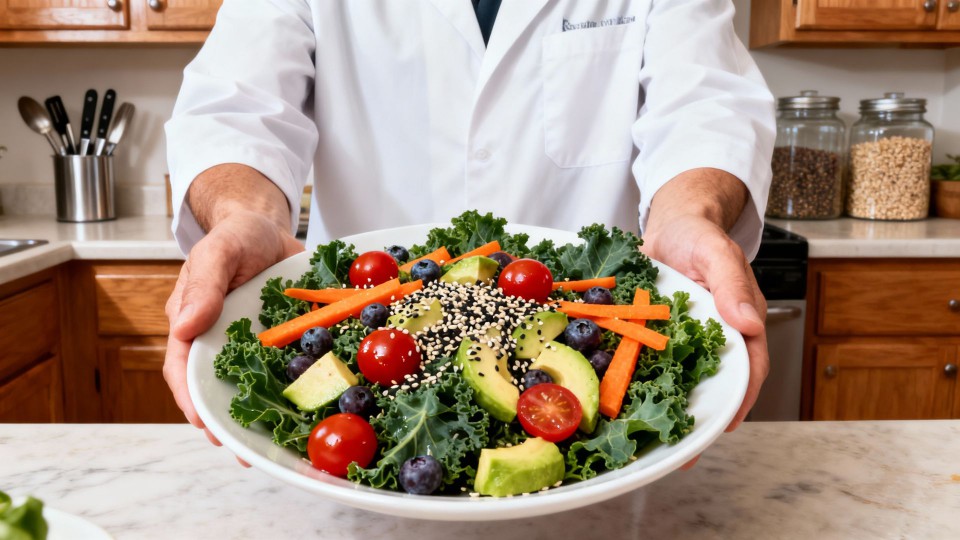
So, what exactly is an anti-inflammatory diet? At its core, it emphasizes foods rich in antioxidants and omega-3 fatty acids, which work like your body's internal fire brigade. When cells face stress from factors like poor diet or toxins, they release inflammatory molecules. Antioxidants—found abundantly in colorful fruits and vegetables—neutralize these harmful free radicals, while omega-3s from sources like fatty fish and flaxseeds help calm inflammatory pathways. Think of it as upgrading your kitchen into a repair shop, where every meal supports cellular harmony rather than chaos. This isn't about deprivation; it's about abundance in foods that naturally reduce inflammation, such as berries, leafy greens, nuts, and olive oil, all working together to create a protective shield.
The evidence for this approach is robust and growing. Large cohort studies, like the Nurses' Health Study, consistently link diets high in anti-inflammatory foods to lower levels of inflammatory markers such as C-reactive protein (CRP). Randomized controlled trials, such as those published in the Journal of the American College of Nutrition, demonstrate that participants following Mediterranean-style diets saw significant reductions in inflammation and improved heart health outcomes. However, it's crucial to note that correlation doesn't imply causation—while these studies show strong associations, they don't prove that diet alone causes all benefits. For instance, some research highlights that genetics and lifestyle factors play roles, and ongoing studies are exploring nuances like individual responses. Overall, the consensus is clear: evidence supports anti-inflammatory eating as a key player in disease prevention, but it's not a standalone cure.
Now, how do you bring this science into your kitchen? Start small and sustainable: swap processed snacks for a handful of almonds or walnuts, rich in healthy fats. Incorporate fatty fish like salmon twice a week, and drizzle meals with extra-virgin olive oil instead of butter. Boost your plate with at least five colorful veggies daily—think spinach, bell peppers, and broccoli—as their antioxidants combat inflammation. For a simple twist, add turmeric to soups or smoothies; its active compound, curcumin, has potent anti-inflammatory properties. Focus on whole grains over refined ones, and reduce sugar intake to avoid fueling inflammation. These aren't drastic changes but incremental shifts that build resilient habits, making your diet a daily ally in health.
Amid the buzz, misconceptions abound that need clarifying. One myth is that anti-inflammatory diets require eliminating entire food groups—like all carbs or dairy—but in reality, balance is key; moderate amounts of whole grains or yogurt can fit if tolerated. Another is the idea of "superfoods" as miracle cures; no single item, such as kale or blueberries, can single-handedly resolve inflammation. Instead, synergy across varied foods delivers the best results. Also, beware of claims that this diet can rapidly cure chronic conditions; it complements medical care but doesn't replace professional advice. By dispelling these myths, you can approach anti-inflammatory eating with clarity and confidence, avoiding the pitfalls of extreme or unproven promises.
Ultimately, an anti-inflammatory diet shines brightest when integrated with other pillars of wellness. It's not a silver bullet—combine it with regular physical activity, adequate sleep, and stress management for optimal impact. Studies show that exercise, for example, enhances the diet's effects by reducing inflammation markers further. Remember, health is a journey of small, consistent steps; personalize your approach based on your needs and consult a registered dietitian for tailored guidance. By weaving these elements together, you create a sustainable tapestry of well-being that honors your body's complexity.