
Unleashing Your Body's Inner Fire Brigade: Why Your Fork Might Be the Most Powerful Anti-Inflammatory Tool in Your Medicine Cabinet
Harnessing evidence from clinical trials and large-scale studies, this guide reveals how everyday foods reduce chronic inflammation, slash disease risk, and offer actionable steps to transform your plate into a wellness weapon.
Ever felt a persistent ache in your joints or a foggy brain that won't lift, despite a good night's sleep? These could be silent signals of chronic inflammation—a low-grade, smoldering fire within your body linked to diseases like heart trouble and diabetes. Unlike the short-term inflammation that helps heal a cut, this chronic version can go unnoticed for years, making it a stealthy threat to long-term health. The good news? Your kitchen holds a potent solution: an anti-inflammatory diet. Grounded in science, this approach uses whole foods to calm inflammation without a pill in sight, offering a natural path to vitality that we'll explore step by step.
At its core, an anti-inflammatory diet isn't a rigid meal plan but a nutrient-rich strategy focused on components that dampen inflammation. Think of foods rich in omega-3 fatty acids, antioxidants, and polyphenols as your body's internal fire brigade. Omega-3s, found in fatty fish like salmon, integrate into cell membranes and produce molecules called resolvins that actively resolve inflammation. Antioxidants, abundant in colorful fruits and vegetables, act like microscopic firefighters by neutralizing free radicals—unstable molecules that ignite inflammation. For instance, compounds like curcumin in turmeric or anthocyanins in berries block pathways such as NF-kappaB, a master switch for inflammatory genes. This isn't magic; it's biochemistry at work, turning meals into cellular defense systems.
Scientific evidence consistently supports anti-inflammatory diets through robust studies. A landmark analysis in the New England Journal of Medicine pooled data from over 100,000 people in cohorts like the Nurses' Health Study, finding that diets high in whole foods reduced markers like C-reactive protein by 15-20% and lowered risks of cardiovascular disease by up to 30%. Similarly, randomized controlled trials, such as one published in The Lancet, showed that participants eating plant-focused diets experienced significant decreases in inflammation-related symptoms over six months. However, it's crucial to note that while these links are strong, correlation doesn't always mean causation—genetics and lifestyle play roles too. Ongoing research debates the optimal food ratios, but the consensus is clear: replacing processed foods with whole alternatives yields tangible benefits.
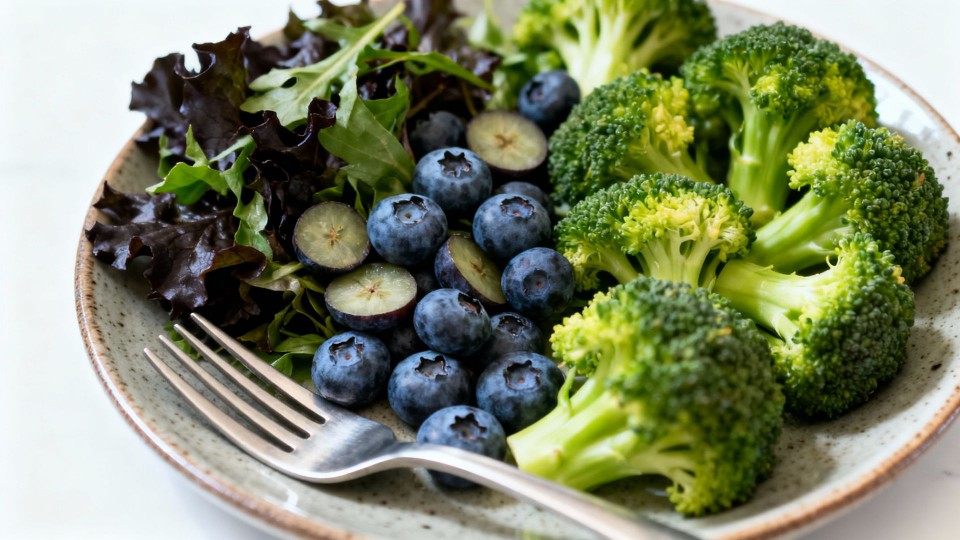
Translating this into daily life is easier than you think. Start by crowding out inflammatory triggers like added sugars and refined grains. Aim to fill half your plate with vegetables and fruits—opt for dark leafy greens, berries, and cruciferous veggies like broccoli. Include fatty fish twice a week, or choose plant-based omega-3 sources such as flaxseeds and walnuts. Spices like turmeric and ginger add flavor and compounds; simply sprinkle them on roasted vegetables. For a practical step, replace one processed snack daily with a mix of nuts and seeds. Remember hydration: green tea contains catechins that fight inflammation, so swap a sugary drink for a cup. Building gradually ensures sustainability—think "add more colors" rather than an overnight overhaul.
Misconceptions abound, so let's clarify. One myth is that all fats are bad—in reality, healthy fats from avocados and olive oil are anti-inflammatory heroes. Another is that anti-inflammatory diets require exotic ingredients; on the contrary, everyday staples like beans and oats are superstars. Also, avoid the trap of seeing this as a cure-all: it's not a substitute for medical treatment, and some individuals, such as those with allergies, should consult a professional. Beware of exaggerated claims online; stick to peer-reviewed science and avoid "miracle" food promises.
True wellness integrates this diet with other pillars. Pair it with regular physical activity—even brisk walks amplify anti-inflammatory effects by reducing fat tissue, a source of inflammatory molecules. Prioritize sleep; studies show that poor rest hikes inflammation markers. Stress management, through techniques like meditation, also helps, as chronic stress fuels inflammation. This holistic approach means your diet isn't a solo act but part of a symphony with exercise, rest, and mental health—each element reinforcing the others for resilient health.
In embracing this journey, remember that small, consistent changes trump perfection. Personalize your approach: if fish isn't your thing, focus on plant-based options. Consult a registered dietitian for tailored advice, especially with pre-existing conditions. Ultimately, an anti-inflammatory diet is about empowering your body with nourishment, reducing the risk of chronic illnesses through food choices rooted in science—an everyday adventure toward lasting vitality.