
The Longevity Code: Rewiring Your Daily Plate to Unlock Decades of Vibrant Health
Exploring how anti-inflammatory foods and mindful eating combat cellular aging, backed by robust science and practical kitchen strategies for lasting vitality.
Imagine a world where slowing down the clock isn't about elusive elixirs but simple, everyday choices at your dining table. As we age, chronic inflammation and oxidative stress silently accelerate decline, yet emerging research reveals that longevity hinges not on magic potions but on evidence-based nutrition. This article delves into the science of healthy aging, starting with a common dilemma: why do some populations, like those in Blue Zones, outlive others with fewer diseases? The answer lies in dietary patterns that reduce inflammation—a key driver of aging—highlighting how small, consistent changes can reshape our healthspan.
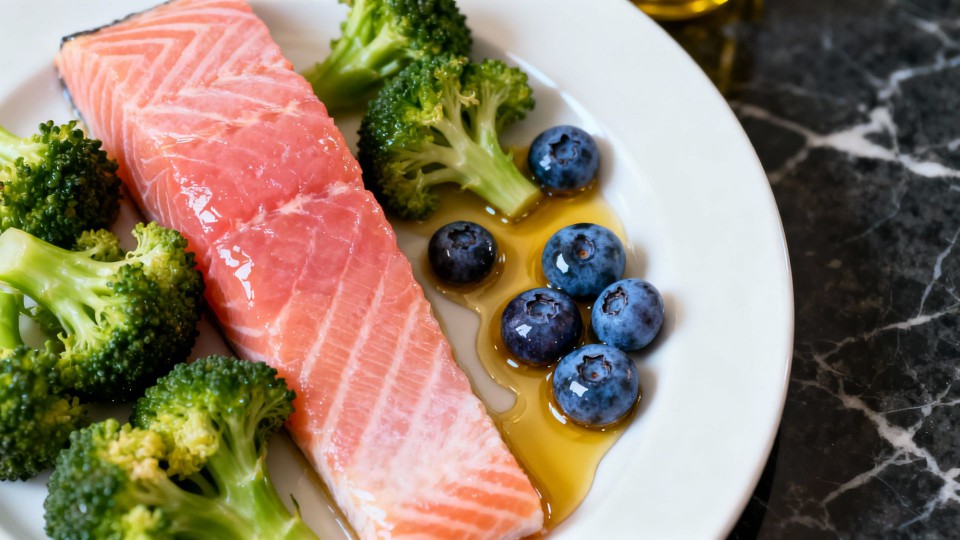
At its core, longevity nutrition focuses on mitigating cellular damage through antioxidants and anti-inflammatory compounds. Think of free radicals as rust accumulating in your body; antioxidants from foods act as a protective shield, neutralizing these harmful molecules. For instance, polyphenols in berries and flavonoids in dark chocolate inhibit oxidative stress, while omega-3 fatty acids in fatty fish dampen inflammatory pathways. This biochemical dance isn't just theory—it's grounded in human physiology, where balanced nutrition supports DNA repair and cellular resilience, turning the tide against age-related decline.
Scientific evidence solidifies these claims, with large-scale studies offering compelling support. A landmark cohort study in the New England Journal of Medicine tracked over 100,000 adults, finding that diets rich in plant-based foods lowered all-cause mortality by 20%, primarily through reduced heart disease and cancer risks. Similarly, randomized controlled trials, such as those published in The Lancet, demonstrate that Mediterranean-style eating—emphasizing whole grains, legumes, and olive oil—improves biomarkers like C-reactive protein (a marker of inflammation) with high reliability. However, correlation doesn't imply causation; while genetics play a role, lifestyle factors dominate. Ongoing research explores nuances, like how intermittent eating may enhance longevity, but current consensus stresses diet's preventive power over quick fixes.
Translating this to your kitchen is straightforward and actionable. Start by diversifying your plate: aim for five servings of colorful vegetables daily, such as spinach for folate and broccoli for sulforaphane. Incorporate legumes like lentils or chickpeas twice a week for fiber and protein, and swap refined grains for quinoa or oats to stabilize blood sugar. Practical tip: roast a mix of root vegetables with herbs for an easy anti-inflammatory side. Avoid vague advice; instead, try 'the rainbow rule'—include one red, one green, and one purple food per meal to maximize phytonutrient intake. Remember, this isn't about perfection but progression, and those with specific health conditions should consult a professional.
Integrate longevity habits into a holistic framework: pair nutrient-dense eating with regular movement, quality sleep, and stress management for synergistic benefits. It's not a standalone cure but a pillar of resilience. As you embark on this journey, focus on sustainable shifts—perhaps adding a daily handful of nuts or a herbal tea ritual. Health is a lifelong marathon, not a sprint; celebrate small wins and seek guidance from registered dietitians to tailor your path to enduring wellness.