
Food as Your First Pharmacy: Unlocking Nature's Prescription on Your Plate for Lifelong Wellness
Harnessing evidence-based dietary strategies to prevent chronic diseases, reduce inflammation, and enhance vitality through simple, delicious choices rooted in science and everyday life.
Imagine waking up each day with renewed energy, free from the nagging fatigue or digestive woes that plague so many of us. This isn't a distant dream—it's a reality within reach, thanks to the transformative power of diet therapy. As a cornerstone of preventive health, diet therapy leverages everyday foods to address underlying imbalances, from chronic inflammation to metabolic disorders. Grounded in decades of nutritional science, it shifts the focus from quick fixes to sustainable nourishment, empowering you to take control of your well-being right from your kitchen.
At its core, diet therapy works through the intricate dance of nutrients within our cells. For instance, anti-inflammatory compounds in foods like berries and leafy greens act as cellular firefighters, quenching oxidative stress that fuels diseases. Fiber-rich legumes and whole grains serve as prebiotics, nurturing beneficial gut bacteria that regulate immunity and mood. This biochemical symphony isn't magic; it's a testament to how food components interact with our physiology, turning meals into targeted interventions that support healing and resilience.
Robust scientific evidence underscores diet therapy's benefits. Large cohort studies, such as those published in The Lancet, have consistently shown that Mediterranean-style diets—rich in fruits, vegetables, and healthy fats—reduce cardiovascular disease risk by up to 30% in randomized controlled trials. Similarly, meta-analyses confirm that low-glycemic-index foods can stabilize blood sugar in type 2 diabetes, with effects comparable to some medications. However, it's crucial to note that while these findings are strong, not all claims hold equal weight; emerging areas like ketogenic diets for neurological conditions require more long-term research, highlighting the importance of evidence-based approaches over hype.
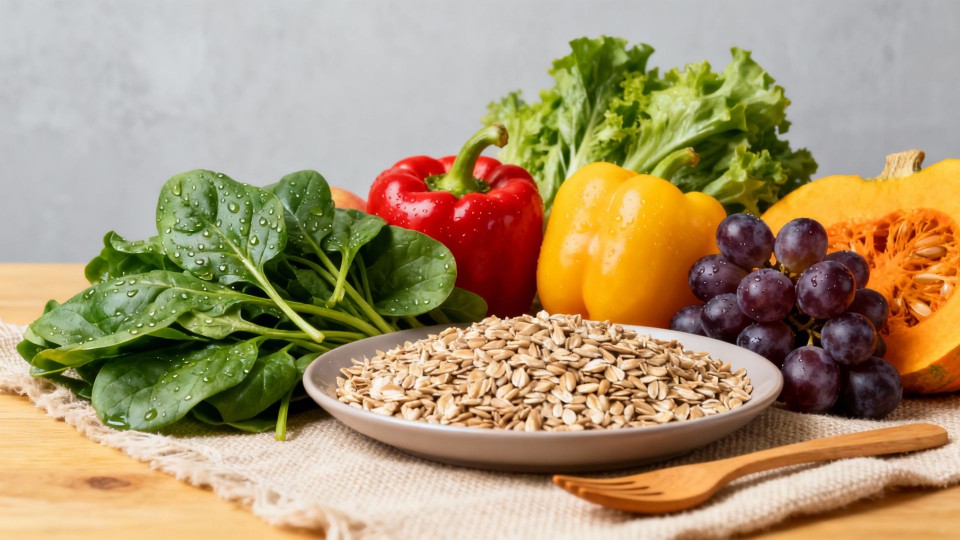
Translating this science to your table is simpler than you might think. Start by diversifying your plate: aim for three servings of colorful vegetables daily, such as adding spinach to smoothies or roasting sweet potatoes. Incorporate omega-3-rich foods like walnuts and flaxseeds to combat inflammation, and swap refined grains for quinoa or oats to boost fiber intake. Remember, small, sustainable swaps—like choosing herbs over salt for flavor—accumulate into profound health gains, making every meal a step toward vitality without drastic overhauls.
Amid the buzz, myths abound—like the idea that 'superfoods' alone can cure ailments or that detox diets are necessary cleanses. In truth, no single food is a panacea; balance is key. Diet therapy shines brightest when integrated with other pillars of health, such as regular movement and adequate sleep, forming a holistic shield against modern stressors. As we navigate this journey, remember: health is a marathon, not a sprint. Consult a registered dietitian to tailor strategies to your unique needs, and embrace the quiet power of food to nurture your body, mind, and future.