
The Silent Conductor: How Your Daily Rhythms Orchestrate Health, Longevity, and Inner Balance
Unpacking the science of circadian rhythms, their proven impact on metabolism and disease prevention, and actionable steps to harmonize sleep, meals, and activity for a resilient life.
In today's whirlwind of deadlines and screens, many of us feel perpetually out of sync—tired yet wired, hungry at odd hours, and battling brain fog. This isn't just fatigue; it's a clash with our biological clock. Emerging research, including large cohort studies like the UK Biobank, reveals that disrupted daily routines heighten risks for obesity and heart disease. Let's explore how reclaiming rhythm can transform this modern malaise into vitality, starting with understanding the body's innate conductor: our circadian rhythms.
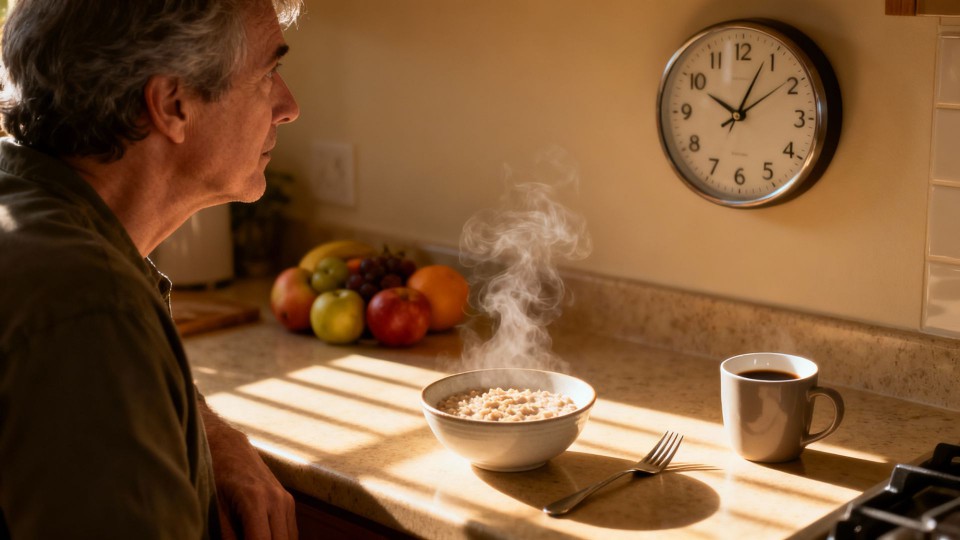
At the core of health preservation lies the circadian rhythm, an internal timekeeper guided by light and darkness. It orchestrates hormones such as cortisol for wakefulness and melatonin for sleep, regulating everything from digestion to immune responses. Think of it as a symphony where each section—sleep, eating, activity—must play in harmony. Disruptions, like late-night screen exposure, throw off this balance, leading to metabolic chaos where cells struggle to process nutrients efficiently. This mechanism isn't merely theoretical; it's grounded in physiology, with proteins like CLOCK genes acting as molecular metronomes.
Robust evidence supports these benefits. Randomized controlled trials published in journals like Cell Metabolism show that consistent sleep schedules (7-9 hours nightly) reduce diabetes risk by 20-30%, while time-restricted eating within a 10-hour window improves insulin sensitivity. Observational studies, such as the Nurses' Health Study, link irregular routines to higher inflammation markers. Not all claims hold equal weight, though; while circadian alignment correlates strongly with better health, causation is confirmed in trials, and ongoing debates exist on optimal timing for different chronotypes. Evidence levels vary: RCTs provide high-grade proof for metabolic gains, whereas correlations from cohort studies suggest broader associations with longevity.
Translating this into daily life is surprisingly simple. Begin by anchoring your routine: wake at sunrise for natural light exposure, aim to eat your last meal 3-4 hours before bed, and incorporate movement like a brisk morning walk. For diet, focus on rhythm-supporting foods—oats for steady energy, leafy greens rich in magnesium for sleep, and berries packed with antioxidants. Aim for variety: try three different colored vegetables each day to cover phytonutrient bases. Small, consistent tweaks, such as silencing devices an hour before sleep, build resilience without overhauling your life.
Common myths abound, like the belief that 'early risers are always healthier'—science shows chronotypes (e.g., night owls vs. morning larks) are genetic and not one-size-fits-all. Extreme interventions, such as skipping meals entirely, often backfire, causing energy crashes. Always prioritize balance: if you feel fatigued, consult a professional rather than self-prescribing. The key is harmony, not perfection, integrating routine with other pillars like hydration and stress management for sustainable wellness.
Ultimately, health is a lifelong journey of attunement. By honoring your body's natural tempo, you foster resilience against modern chaos. Start with one small change, track progress, and seek guidance from registered dietitians or doctors to tailor this rhythm to your unique life. Embrace gradual shifts—they're the true path to vitality, free from quick fixes.