
Unlocking Your Body's Natural Defense: The Anti-Inflammatory Diet Revolution
Discover how science-backed food choices can reduce chronic inflammation, lower disease risk, and transform your health from the inside out.
Have you ever woken up feeling achy or fatigued, despite a good night's sleep? This could be your body signaling chronic inflammation, a silent fire linked to everything from joint pain to heart disease. Research from large cohort studies, like the Nurses' Health Study, reveals that diet plays a pivotal role in either fueling or calming this internal storm. In today's world of conflicting health advice, understanding how to harness food as medicine offers a powerful path to vitality. This article explores the science behind anti-inflammatory eating, providing clear, actionable steps to help you feel your best.
So, what exactly is an anti-inflammatory diet? At its core, it's a pattern of eating that prioritizes foods rich in compounds like omega-3 fatty acids and antioxidants, which act as your body's natural firefighters. These nutrients work at the cellular level to suppress pro-inflammatory molecules, such as cytokines, while boosting protective pathways. Think of antioxidants as your body's rust-proofing system, neutralizing free radicals that can damage cells and trigger inflammation. By focusing on whole, unprocessed foods, this dietary approach aims to rebalance your internal environment, reducing the chronic low-grade inflammation that often goes unnoticed but contributes to long-term health issues.
Scientific evidence strongly supports the benefits of anti-inflammatory diets, though it's crucial to distinguish robust findings from ongoing research. Large-scale observational studies, including those published in journals like The Lancet, consistently associate diets high in fruits, vegetables, and fatty fish with lower markers of inflammation, such as C-reactive protein (CRP). For instance, randomized controlled trials (RCTs) demonstrate that participants following anti-inflammatory eating patterns experience significant reductions in CRP levels, with evidence graded as strong for omega-3s from sources like salmon. However, some plant compounds, like curcumin in turmeric, show promise in smaller RCTs but require more extensive research to confirm efficacy. Always remember that correlation doesn't imply causation; while diet can lower disease risk, it's not a standalone cure.
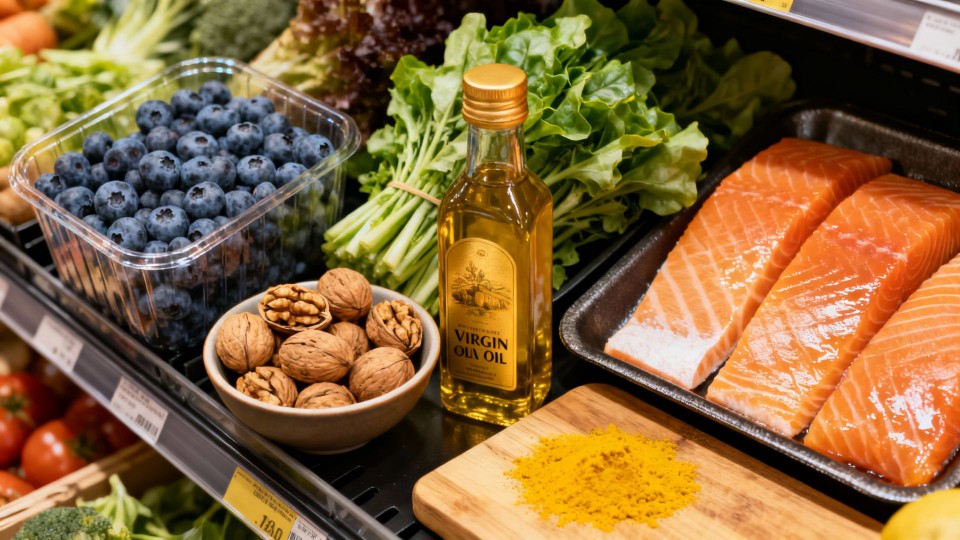
Putting this into practice is simpler than you might think, and it starts in your own kitchen. Focus on incorporating a rainbow of whole foods: aim to include at least five servings of colorful vegetables daily, such as leafy greens and bell peppers. Add anti-inflammatory powerhouses like berries, walnuts, and olive oil to your meals, and swap refined grains for whole grains like quinoa. For protein, choose fatty fish twice a week and opt for beans or lentils. Practical tips include steaming vegetables to preserve nutrients or using spices like ginger and garlic to enhance flavor without added salt. Avoid processed foods high in sugar and trans fats, which are known to promote inflammation. Start small—try adding one new anti-inflammatory food to your diet each week to build sustainable habits.
Despite its benefits, myths about anti-inflammatory diets abound, and it's essential to separate fact from fiction. One common misconception is that all fats are harmful; in reality, monounsaturated fats from avocados and nuts are actively anti-inflammatory. Another overhyped idea is the "superfood" label, where no single food can magically eliminate inflammation—balance across a variety of foods is key. Beware of claims that suggest quick fixes; research shows consistent dietary patterns matter more than occasional indulgences. Always consult reliable sources, like registered dietitians, to debunk such myths and avoid unnecessary dietary restrictions that could lead to nutrient gaps.
Integrating an anti-inflammatory diet into your overall health journey means recognizing it's one piece of a larger puzzle. Pair it with other pillars of wellness, such as regular exercise and adequate sleep, to amplify benefits—for example, physical activity complements dietary efforts by reducing inflammation markers. Yet, individual responses vary; factors like genetics or existing health conditions mean what works for one person may not for another. Begin with small, sustainable changes rather than drastic overhauls, and consider professional guidance. In the end, health is a lifelong voyage, and this evidence-based approach empowers you to make informed choices that support a vibrant, resilient life.