
Quench the Flames Within: Your Daily Plate as the Secret Shield Against Silent Inflammation
Discover how science-backed food choices can douse chronic inflammation, slash disease risks, and transform your health journey with simple, actionable steps for every meal.
Imagine waking up with less joint stiffness or feeling more energized throughout your day—common struggles that often trace back to a hidden culprit: chronic inflammation. Unlike the acute kind that heals wounds, this low-grade fire can simmer for years, linked to everything from heart disease to diabetes. But here's the hopeful twist: your fork holds the power to extinguish it. This article explores how anti-inflammatory eating isn't just a trend; it's a science-rooted strategy for reclaiming vitality, backed by decades of research.
At its core, inflammation is your body's defense mechanism, involving immune cells and molecules like cytokines that signal trouble. However, when this response becomes persistent due to factors like poor diet, it damages tissues instead. Anti-inflammatory diets work by flooding your system with nutrients that calm these signals. Think of omega-3 fatty acids as peacekeepers, reducing pro-inflammatory cytokines, while antioxidants in colorful produce act like firefighters, neutralizing free radicals. This isn't magic; it's biochemistry in action, where foods rich in polyphenols and fiber help reset your internal balance.
Scientific evidence paints a compelling picture. Large cohort studies, such as those from the Framingham Heart Study, show that diets high in anti-inflammatory foods correlate with a 20-30% lower risk of chronic diseases like cardiovascular issues. Randomized controlled trials, like one published in the Journal of the American College of Nutrition, demonstrate measurable drops in inflammatory markers after participants adopted Mediterranean-style eating. However, remember correlation doesn't prove causation—genetics and lifestyle play roles too. Ongoing research explores nuances, such as how gut bacteria influence this process, but the consensus is clear: consistent, whole-food choices offer robust protection.
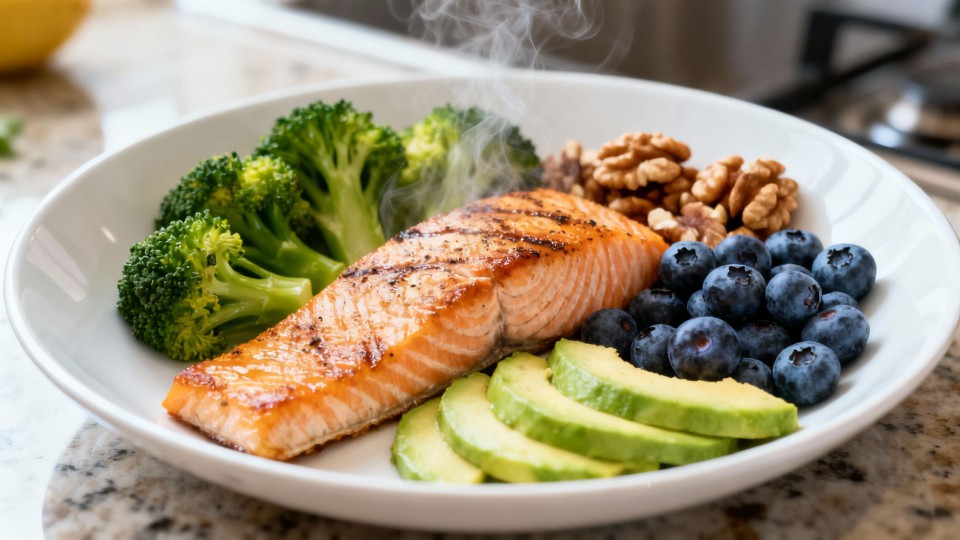
Bringing this to your kitchen is simpler than you think. Start by loading half your plate with vegetables—aim for a rainbow of colors to maximize polyphenol diversity. Swap refined grains for whole ones like quinoa or oats, and include fatty fish like salmon twice a week for omega-3s. Spices such as turmeric and ginger are potent allies; add them to soups or smoothies. For practical action, try this: each week, introduce one new anti-inflammatory food, like a handful of walnuts or a berry mix, to build sustainable habits without overwhelm.
Amid the hype, myths abound. One misconception is that all fats are inflammatory—truth is, monounsaturated fats in olive oil and avocados actively combat inflammation. Another fallacy is that anti-inflammatory diets eliminate entire food groups; in reality, they emphasize balance and moderation. Scare stories about 'superfoods' curing all ills are unfounded—research shows no single food works miracles. Instead, focus on the cumulative effect of diverse, nutrient-dense choices, avoiding extreme claims that lack evidence.
Anti-inflammatory eating shines brightest as part of a holistic health mosaic. Pair it with regular physical activity, which studies confirm amplifies inflammation-reducing effects, and prioritize sleep to regulate stress hormones. It's not a standalone fix; combining it with other pillars like mental well-being creates a resilient foundation. Remember, individual responses vary—consult a registered dietitian to tailor this approach to your unique needs and health history for safe, personalized guidance.
In the end, health is a marathon, not a sprint. Small, consistent changes—like swapping a sugary snack for an apple or adding turmeric to your tea—can build lifelong benefits. Embrace this journey not as a restrictive diet but as an empowering lifestyle shift. Start today, seek professional advice, and let science guide your plate to a calmer, healthier you.