
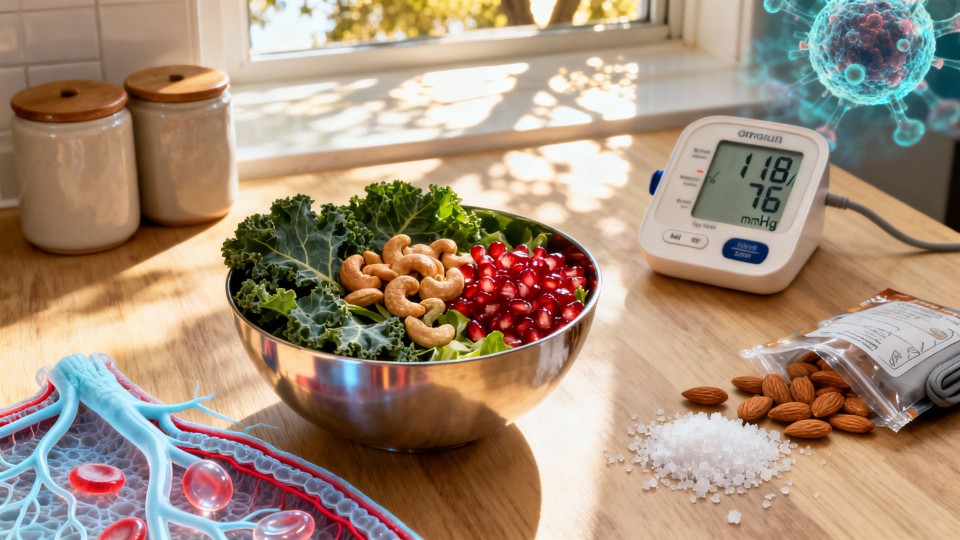
The Salt Sleight: How Reducing Sodium Secretly Shields Your Heart and Revitalizes Cells Beyond Taste
Unveiling the science behind low-salt diets: From lowering blood pressure to enhancing kidney function, discover practical, everyday ways to embrace this simple shift for lifelong vitality.
As a society hooked on salty snacks and processed foods, many of us face the silent threat of high blood pressure, often dubbed the 'silent killer.' This article explores how embracing a low-salt diet isn't about deprivation but a clever strategy to unlock better health. Sodium, essential for fluid balance, becomes dangerous when excessive, stressing our cardiovascular system. By understanding this, we can make informed choices that ripple through our daily lives, starting today.
At its core, sodium is a mineral that helps regulate water levels in our cells and nerves. However, when we consume too much, it draws water into the bloodstream, increasing blood volume and forcing the heart to pump harder. This biological trick leads to hypertension, a key risk factor for heart disease and stroke. Reducing salt intake eases this pressure, allowing blood vessels to relax and function more efficiently, much like removing a kink from a garden hose.
Scientific evidence strongly supports these benefits. Large-scale studies, such as the Dietary Approaches to Stop Hypertension (DASH) trial, a randomized controlled trial published in the New England Journal of Medicine, show that cutting sodium intake lowers blood pressure by 5-6 mmHg on average. Meta-analyses of cohort studies confirm that populations with lower salt consumption have reduced rates of heart attacks and strokes. However, debates persist about optimal levels, with some research suggesting individual variability, so it's wise to consult professionals.
Putting this into practice is simpler than it seems. Focus on whole foods: Load your plate with fresh vegetables, fruits, whole grains, and lean proteins, which are naturally low in sodium. Swap salt for herbs like basil, rosemary, and thyme during cooking, and aim to cook at home more often. Try rinsing canned beans or choosing low-sodium versions when grocery shopping. Small habits, such as tasting food before adding salt, can transform meals without sacrificing flavor.
Common myths abound about low-salt diets. One misconception is that all salt is harmful, but iodine in iodized salt supports thyroid health, though moderation is key. Another is that reduced sodium means blandness; instead, it enhances the natural flavors of ingredients. It's crucial to recognize that while some individuals, like athletes, may have higher needs, excessive intake generally poses risks, disproving ideas that salt is harmless or always necessary.
Integrating low-salt habits into a broader health framework amplifies benefits. Pair it with regular exercise, which improves circulation, and sufficient sleep, which helps regulate stress hormones. Think of it as one pillar in a temple of wellness: No single change is miraculous, but together, they build resilience against chronic illnesses. Always consider personal factors; those with kidney issues should tailor advice with a doctor.
In the end, low-salt eating is about sustainable, mindful choices. Start small—perhaps reduce processed foods gradually—and celebrate each step. Seek guidance from registered dietitians to personalize your journey. Remember, health isn't a sprint but a lifelong adventure where every bite counts toward a stronger, more vibrant you.