
The Silent Revolution: Rewiring Your Health with Anti-Inflammatory Foods for Lasting Vitality
Uncover the science behind how specific dietary choices reduce chronic inflammation, lowering risks of heart disease and diabetes, with practical kitchen tips for everyday meals.
Imagine waking up with less joint stiffness or feeling more energized throughout the day—common struggles many face. Chronic inflammation, often unnoticed, fuels conditions like arthritis and fatigue. Anti-inflammatory eating offers a solution, rooted in decades of nutritional science. This approach focuses on foods that naturally dampen inflammation, transforming how our bodies respond to stress. By shifting our plates, we can address the root causes of discomfort, turning daily meals into powerful allies for well-being. Let's explore how this dietary shift can start your journey to better health.
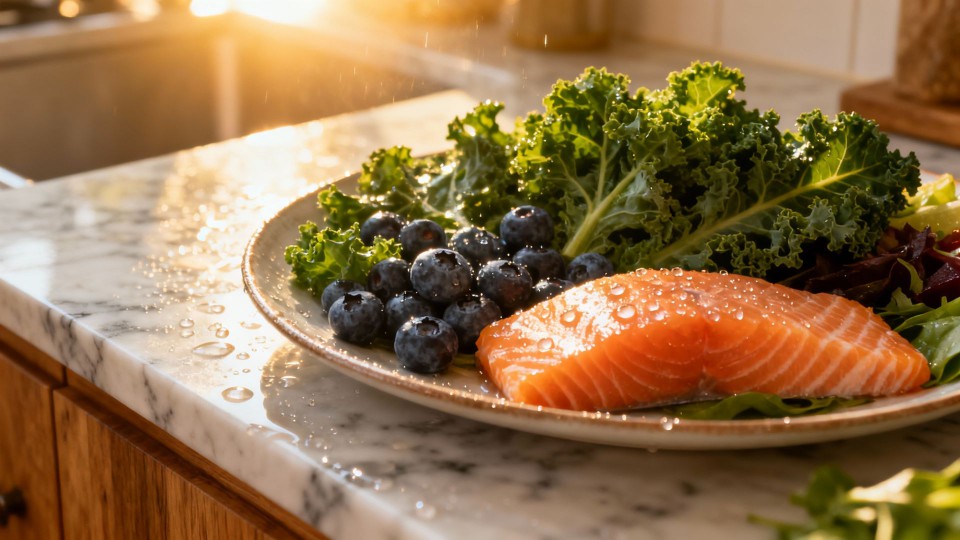
At its core, inflammation is the body's defense mechanism against injury or infection, but when it becomes chronic, it harms tissues. Anti-inflammatory diets work by balancing key compounds: omega-3 fatty acids from fish and flaxseeds reduce pro-inflammatory signals, while antioxidants in berries and greens neutralize free radicals. Think of it as tuning your body's internal orchestra—foods rich in polyphenols act like conductors, calming overactive responses. This biochemical dance occurs at the cellular level, where nutrients influence gene expression and immune pathways. Understanding this mechanism helps us see food not just as fuel, but as medicine that modulates our defenses.
Scientific evidence strongly supports anti-inflammatory diets. Large cohort studies, such as those tracking thousands of participants over years, show consistent reductions in heart disease risk—up to 20% lower in high-adherence groups. Randomized controlled trials confirm benefits, like improved insulin sensitivity in diabetics. However, evidence varies; while omega-3s have robust backing from meta-analyses, some plant compounds are still under investigation. It's crucial to note correlation doesn't equal causation—individual factors like genetics play a role. Overall, the consensus from journals like The Lancet highlights that a diet rich in whole foods lowers inflammation markers, but it's not a standalone cure.
Putting this into practice is simple and delicious. Focus on whole, unprocessed foods: load half your plate with colorful vegetables like spinach and bell peppers, add fatty fish twice a week, and snack on walnuts or almonds. Avoid inflammatory triggers such as sugary drinks and refined grains. For easy integration, try a weekly meal prep with three bean varieties in salads or stews. Cooking methods matter—steam or sauté instead of frying to preserve nutrients. This isn't about deprivation; it's about abundance, making every bite count toward reducing inflammation.
Common myths need debunking. One misconception is that anti-inflammatory eating requires exotic superfoods—truth is, everyday staples like oats and olive oil work wonders. Another is overhyping single ingredients, like turmeric, as miracle cures; while beneficial, they're part of a broader pattern. Beware of claims that promise quick fixes; science shows benefits accrue over months. Also, this diet isn't for everyone—those with allergies or specific conditions should consult professionals. By clarifying these points, we avoid pseudoscience and focus on evidence-based, sustainable choices.
Integrate anti-inflammatory eating into a holistic health framework. It complements exercise, which reduces inflammation through muscle activity, and sleep, which regulates immune function. Start small: swap one processed meal daily for whole foods, and track changes. Remember, health is a marathon; aim for gradual, personalized adjustments rather than perfection. If unsure, seek guidance from a registered nutritionist. Together, these steps build resilience, proving that lasting vitality begins at your kitchen table.